
| Medicine Name | Ultram – Tramadol |
| Medicine Strength | 50 mg | 100 mg | 200 mg |
| Shipment Delivery | USA 2-3 Days Fast Delivery |
| Price | $1.55 Per Pills |
| Where to Buy? | Visit Pharmacy |
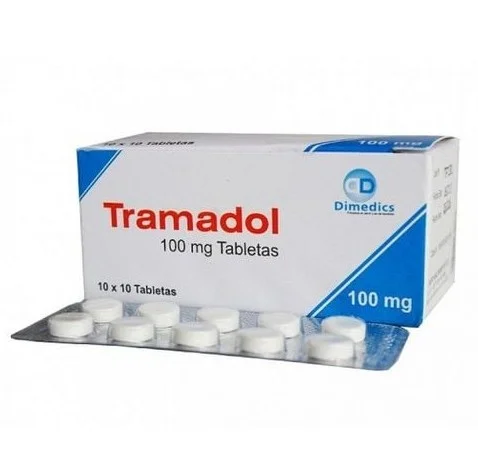
Can You Buy Tramadol Online With No Risk?
Many people search for how to buy tramadol online without any risk because they want genuine medicine, convenient delivery and protection from scams. That goal makes sense, but the phrase “without any risk” creates an unrealistic expectation.
No pharmacy, doctor or website can remove every risk from tramadol. Genuine prescription tramadol can cause drowsiness, dependence, seizures, dangerous breathing problems and severe medicine interactions. An online transaction adds further concerns, including counterfeit tablets, stolen payment details and unlicensed sellers.
You can reduce avoidable risks through a lawful healthcare process. Start with a licensed clinician, use a valid prescription and choose a pharmacy that your official pharmacy regulator recognises. You should also tell the clinician about every medicine, supplement, alcohol habit and health condition that may affect treatment.
Tramadol belongs to the opioid family. The US Drug Enforcement Administration lists it as a Schedule IV controlled substance, while current FDA prescribing information carries strong warnings about addiction, misuse, respiratory depression, overdose and dangerous sedative combinations.
A safe online route should resemble ordinary healthcare. A clinician should assess your pain, a pharmacist should check your prescription and a regulated pharmacy should supply clearly labelled medicine. Anonymous opioid shopping does not provide those safeguards.
What Is Tramadol?
Tramadol acts as an opioid pain medicine. Doctors may prescribe it to adults who experience pain severe enough to require an opioid when other treatment options fail to provide adequate relief or cause unacceptable problems.
Tramadol changes the way the brain and nervous system process pain signals. It can reduce how strongly a person feels pain, but it does not repair damaged tissue, cure arthritis, fix a spinal injury or treat every underlying cause.
Current US prescribing information limits tramadol to pain that requires an opioid and for which alternative treatments remain inadequate. The FDA also requires opioid manufacturers to highlight serious risks throughout treatment, not only when a patient starts taking the medicine.
People sometimes describe tramadol as a mild or weak opioid. That description can create false reassurance. Tramadol can still cause opioid dependence, overdose and respiratory depression. It can also trigger seizures and serotonin syndrome under certain circumstances.
A clinician should match treatment to the cause of the pain. A pulled muscle, damaged nerve, inflamed joint, surgical wound and kidney problem need different medical approaches. A pain tablet may reduce a symptom without solving the condition behind it.
Why Tramadol Requires Medical Supervision
A prescription does more than authorise a pharmacy sale. It links the medicine to an assessment of the patient’s pain, medical history, current medicines and risk factors.
Before prescribing tramadol, a clinician may ask:
- When did the pain start?
- What caused it?
- Where does the pain occur?
- Does the pain travel into another area?
- Which treatments has the patient already tried?
- Does the patient have asthma or another breathing condition?
- Has the patient experienced seizures?
- Does the patient take antidepressants or sedatives?
- Does the patient use alcohol or recreational drugs?
- Has the patient experienced opioid dependence before?
These questions help the clinician identify situations where tramadol may cause more harm than benefit.
MedlinePlus warns that tramadol can cause serious or life-threatening breathing problems, particularly when treatment begins or the prescribed amount increases. It also warns patients not to take more tramadol, use it more frequently or use it differently from the doctor’s directions.
A pharmacy also adds an important safety check. A pharmacist can review the prescription, identify potential interactions and explain how the medicine may affect driving, sleep and daily activity.
An anonymous seller removes these protections. Such a seller cannot reliably diagnose pain, screen for interactions or provide accountable follow-up care.
What Safe Online Access Looks Like
A safer online process follows the same clinical and legal standards as an in-person prescription.
First, the patient speaks with a licensed healthcare professional. The clinician reviews the pain, treatment history, current medicines and medical risks.
Second, the clinician decides whether tramadol offers an appropriate option. The clinician may recommend physical therapy, a non-opioid medicine, imaging, specialist treatment or urgent care instead.
Third, the clinician sends a valid prescription to a licensed pharmacy.
Fourth, the pharmacy checks the prescription, prepares the medicine and provides a clear patient label.
Fifth, the patient follows the treatment plan and attends any required follow-up appointment.
This process does not guarantee that every patient will receive tramadol. A legitimate clinician may decline to prescribe it when another option offers a safer or more effective approach.
The internet changes the communication method, not the standard of care. A secure video appointment can support legitimate treatment, but a checkout form cannot replace a proper medical assessment.
Why “Guaranteed Tramadol Approval” Signals a Problem
A legitimate healthcare provider cannot promise a controlled medicine before evaluating the patient.
A clinician must consider diagnosis, symptoms, previous treatment, interactions and misuse risk. The clinician may discover that tramadol does not suit the patient or that the pain requires urgent investigation.
Websites that advertise “guaranteed tramadol,” “instant opioid approval” or “no questions asked” place the transaction ahead of the patient.
These promises may signal that the seller:
- Does not employ a qualified prescriber
- Does not verify medical information
- Ignores controlled-substance rules
- Supplies unapproved or counterfeit products
- Uses a questionnaire only to create the appearance of healthcare
- Hides the actual source of the tablets
The FDA maintains warning letters against websites that offer prescription drugs without adequate controls, sell products of unknown origin or omit important safety warnings.
A genuine consultation may feel less convenient because the clinician asks detailed questions. Those questions protect the patient and improve the treatment decision.
How to Recognise a Trusted Online Pharmacy
A trusted online pharmacy provides enough information for patients and regulators to identify it.
The FDA advises consumers to look for four central signs. The pharmacy should require a doctor’s prescription, provide a physical address and telephone number, employ a licensed pharmacist and hold a licence with a state board of pharmacy.
A credible pharmacy should clearly display:
- Its legal business name
- Its physical location
- Its customer-service telephone number
- Its pharmacy licence information
- Its pharmacist contact process
- Its privacy policy
- Its prescription requirements
- Its delivery terms
- Its complaint procedure
- Its medicine-return or error-reporting process
Do not trust a website only because it looks professional. Illegal sellers can copy logos, medical photographs and regulatory-style badges.
Always verify the pharmacy through the regulator’s own website. Do not click a seller’s badge and assume that the linked page provides genuine verification.
How to Verify a Pharmacy Licence
Follow a simple verification process before sharing payment or medical details.
Find the pharmacy’s exact legal name and stated physical address. If the website hides this information, stop the transaction.
Next, open the official pharmacy regulator’s database for the relevant state, province or country. Search the pharmacy’s name and compare its licence details with the website.
Confirm that:
- The licence remains active.
- The legal name matches the website.
- The physical address matches.
- The regulator allows the pharmacy to serve your location.
- The pharmacy employs qualified professionals.
- The regulator does not list restrictions that affect its service.
The FDA directs US consumers to state board databases and advises them not to use an online pharmacy that does not appear in the relevant official records.
Search-engine placement does not prove legitimacy. A company can purchase an advertisement without demonstrating that it operates as a lawful pharmacy.
Official verification takes a few minutes and may prevent counterfeit exposure, payment fraud and identity theft.
Major Warning Signs of an Illegal Tramadol Website
Unsafe medicine websites often use the same sales tactics. They promise quick relief, low prices and complete privacy while hiding basic licensing details.
Avoid a seller that:
- Offers tramadol without a valid prescription
- Guarantees approval before a clinical assessment
- Sells unlimited quantities
- Refuses to identify its physical location
- Provides no pharmacist contact
- Accepts only cryptocurrency, wire transfers or gift cards
- Uses countdown timers to pressure customers
- Claims that tramadol cannot cause addiction
- Promotes opioid combinations without medical review
- Ships loose pills without prescription labels
- Claims that online sales avoid controlled-drug laws
- Encourages customers to take more when pain continues
- Sells several controlled medicines through one anonymous account
- Contacts customers through social media instead of a secure pharmacy system
The FDA warns that unsafe online pharmacies may sell prescription drugs without prescriptions, offer products of unknown origin and omit directions or warnings that patients need for safe use.
A trustworthy pharmacy gives customers enough time and information to verify the service. It does not rush them into an opioid purchase.
Why a Prescription-Free Website Creates Extra Risk
Some customers view the absence of a prescription requirement as a convenience. In reality, that absence removes the main clinical and legal safeguards around tramadol.
Without a prescription, no authorised clinician confirms that:
- Tramadol suits the patient’s type of pain.
- Other medicines will not cause a dangerous interaction.
- The patient can use an opioid safely.
- The patient understands dependence and overdose risks.
- The pain does not signal a medical emergency.
- The prescribed amount matches the patient’s needs.
An illegal seller may supply a different medicine, an incorrect strength or a contaminated tablet. The seller may also store products in unsuitable conditions or ship expired stock.
The FDA has taken action against internet sellers that unlawfully offered tramadol and other opioids to US customers.
A prescription requirement does not create unnecessary inconvenience. It creates a record of clinical responsibility and connects the patient with professional support.
Counterfeit Tramadol Can Look Authentic
Counterfeiters can copy tablet shapes, colours, markings and packaging. A pill may look identical to an approved product while containing a different ingredient.
An unknown tablet may contain:
- Too much tramadol
- Too little tramadol
- No tramadol
- Another opioid
- An undeclared sedative
- Harmful contaminants
- Inconsistent amounts across tablets
- Poor-quality inactive ingredients
A photograph cannot confirm a medicine’s contents. Positive reviews cannot confirm them either.
The FDA advises consumers to use licensed pharmacies because unsafe online sources can supply medicines with harmful ingredients, incorrect active ingredients or incorrect amounts.
Do not take a tablet that arrives in an unmarked bag, damaged bottle or package without a patient-specific prescription label.
Contact a licensed pharmacist when the tablet appearance differs from previous supplies. Different approved manufacturers may use different designs, but the pharmacist can check the dispensing record and manufacturer.
Why Extremely Low Prices Need Careful Review
A lower price does not always signal fraud. Licensed pharmacies may offer generic tramadol, insurance discounts or transparent cash pricing.
However, a dramatic discount should raise concern when the website also skips prescriptions, hides its address or refuses pharmacist contact.
An unsafe purchase can create costs far beyond the advertised saving. A counterfeit or incorrectly supplied opioid can lead to:
- Emergency medical treatment
- Overdose
- Worsened pain
- Lost income
- Identity theft
- Financial fraud
- Treatment delays
- Legal problems
Verify the pharmacy before comparing prices.
A genuine pharmacy provides value through product quality, professional accountability and a secure medicine supply. An anonymous seller transfers every major risk to the customer.
Price should influence the final choice only after licensing, prescription and safety checks meet the required standard.
Why Online Reviews Cannot Confirm Pharmacy Safety
Reviews can describe delivery speed and customer service, but they cannot test the contents of a tablet or confirm a pharmacy licence.
Illegal sellers can create fake reviews, purchase testimonials or remove negative feedback from their own websites.
A customer may write that tramadol “worked well” because an unknown pill caused sedation. That experience does not identify the ingredient or prove safe manufacturing.
Start with objective evidence:
- Active regulatory licence
- Valid prescription requirement
- Real physical address
- Pharmacist access
- Proper packaging
- Secure clinical records
- Clear business identity
Use reviews only after you complete these checks.
A genuine review can still contain inaccurate medical conclusions. Patients should rely on clinicians and pharmacists for treatment information, not strangers who may have different conditions and medicines.
What a Real Online Pain Consultation Includes
A genuine telehealth assessment should involve more than a few yes-or-no questions.
The clinician should ask about the pain’s location, duration, severity and cause. The clinician should also explore symptoms that may indicate nerve damage, infection, internal illness or another serious condition.
Expect questions about:
- Previous pain treatments
- Current prescriptions
- Non-prescription medicines
- Antidepressants
- Anxiety or sleeping medicines
- Alcohol use
- Recreational substances
- Seizure history
- Breathing conditions
- Liver and kidney health
- Pregnancy or breastfeeding
- Previous opioid problems
The clinician may ask the patient to complete an in-person examination or diagnostic test.
A responsible service explains that the appointment does not guarantee tramadol. The clinician may recommend a non-opioid treatment or urgent medical care.
A website that collects payment and immediately issues the same medicine to every customer does not offer meaningful personalised care.
Can a Telehealth Doctor Prescribe Tramadol?
Telehealth can support legitimate controlled-medicine prescribing when the clinician, platform and pharmacy comply with all applicable rules.
Federal and state requirements can change, and the patient’s location affects which rules apply. The prescribing clinician must also hold the appropriate professional authority.
Patients should verify:
- The clinician’s name
- The clinician’s licence
- The platform’s legal identity
- The pharmacy’s licence
- The prescription process
- The follow-up arrangements
Telehealth does not guarantee access to a particular medicine. The clinician should apply the same medical judgement that an in-person provider would use.
A legitimate service should protect medical records, verify patient identity and provide a clear method for contacting the healthcare team.
When Pain Needs Urgent Medical Care
Do not wait for an online medicine delivery when pain occurs with emergency warning signs.
Seek immediate professional assessment when pain accompanies:
- Severe breathing difficulty
- Chest pressure
- Major trauma
- Sudden weakness
- Loss of bladder or bowel control
- Numbness around the groin
- High fever
- Confusion
- Fainting
- Signs of internal bleeding
- New paralysis
- Severe allergic symptoms
- A sudden and extreme headache
- Persistent vomiting
Tramadol may reduce pain while a serious condition continues to worsen.
An online pharmacy cannot examine a spinal injury, detect internal bleeding or diagnose a heart emergency.
The correct diagnosis matters more than the speed of tablet delivery.
Tramadol’s Most Important Health Risks
Tramadol carries several major risks that every patient should understand before treatment.
These include:
- Addiction and misuse
- Physical dependence
- Withdrawal
- Respiratory depression
- Overdose
- Seizures
- Serotonin syndrome
- Severe sedation
- Dangerous interactions
- Falls and road accidents
Current FDA labels for tramadol products carry prominent warnings about addiction, abuse, misuse, life-threatening respiratory depression and risks from combining opioids with benzodiazepines or other central nervous system depressants.
A valid prescription reduces some avoidable risks, but it does not make the medicine harmless.
Patients should use the smallest treatment exposure that achieves the clinician’s goal and attend all planned reviews.
Breathing Problems and Opioid Overdose
Tramadol can slow the brain signals that control breathing. Severe respiratory depression can reduce oxygen levels and lead to unconsciousness, brain injury or death.
Risk may increase when a patient:
- Starts opioid treatment
- Receives a higher prescribed amount
- Has asthma or another lung condition
- Has sleep apnoea
- Drinks alcohol
- Uses another opioid
- Takes a benzodiazepine
- Uses sleeping tablets
- Takes more than prescribed
- Has advanced age or serious illness
Watch for emergency signs such as:
- Slow or shallow breathing
- Long pauses between breaths
- Extreme drowsiness
- Inability to wake
- Blue or grey lips
- Gurgling sounds
- Collapse
- Unresponsiveness
Call emergency services immediately when these signs appear.
Do not let the person “sleep it off.” Opioid breathing problems can worsen quickly.
Tramadol and Alcohol
Alcohol can intensify tramadol’s sedating and breathing-suppressing effects.
The combination may cause:
- Extreme sleepiness
- Poor judgement
- Falls
- Road accidents
- Vomiting during heavy sedation
- Slow breathing
- Loss of consciousness
- Fatal overdose
Current opioid labels warn that alcohol and other central nervous system depressants can contribute to profound sedation, respiratory depression, coma and death.
Tell the prescriber honestly about alcohol use. Regular drinking may change the treatment decision.
Do not use alcohol to strengthen tramadol’s effects or to help with sleep.
A legitimate online clinician should ask about alcohol. A website that skips this question cannot complete a responsible opioid risk assessment.
Tramadol and Benzodiazepines
Benzodiazepines include medicines such as clonazepam, alprazolam, lorazepam and diazepam. Doctors may prescribe them for anxiety, panic, seizures or other conditions.
Both benzodiazepines and opioids slow central nervous system activity. Combining them can produce dangerous sedation and respiratory depression.
The FDA highlights the risk of combining opioid pain medicines with benzodiazepines and other central nervous system depressants.
Never combine tramadol with an anxiety or sleeping medicine without explicit professional guidance.
Tell every prescriber about all controlled medicines you use. One clinician may not automatically know what another clinician prescribed.
Keep an updated medication list and share it with the pharmacist.
Tramadol and Antidepressant Interactions
Tramadol also influences serotonin and noradrenaline pathways. This action creates important interaction concerns with certain antidepressants and other serotonin-affecting medicines.
Some combinations may increase the risk of serotonin syndrome. This potentially life-threatening reaction occurs when excessive serotonin activity disrupts the nervous system.
Possible symptoms include:
- Agitation
- Confusion
- Sweating
- Fever
- Tremor
- Muscle stiffness
- Poor coordination
- Fast heartbeat
- Nausea
- Diarrhoea
MedlinePlus describes serotonin syndrome as a potentially life-threatening drug reaction.
Do not stop an antidepressant or alter tramadol treatment without speaking to the prescriber.
Give the pharmacist the exact names of all mental-health medicines, including medicines that you use occasionally.
Seizure Risk
Tramadol can trigger seizures in some patients. Higher amounts, certain medical conditions and interacting medicines may increase the risk.
Tell the clinician about:
- Epilepsy
- Previous seizures
- Head injuries
- Alcohol withdrawal
- Drug withdrawal
- Brain infections
- Medicines that lower the seizure threshold
Never take extra tablets because the prescribed amount does not control the pain.
Contact the prescriber when treatment stops working adequately. Self-directed increases can raise seizure and overdose risks.
A seizure requires urgent medical attention, particularly when it follows opioid use or possible overdose.
Dependence, Tolerance and Addiction
People often use these terms interchangeably, but they describe different issues.
Physical dependence means that the body adapts to regular tramadol exposure. Withdrawal symptoms may develop after a sudden stop.
Tolerance means that the original amount produces less effect over time. The patient may feel tempted to increase the amount.
Addiction involves impaired control, compulsive use and continued use despite harm.
A patient can develop dependence while following a prescription. Dependence does not automatically mean addiction, but it still requires careful medical management.
Warning signs of problematic use may include:
- Taking more than the prescription allows
- Running out early
- Visiting several providers for opioids
- Hiding use from family or clinicians
- Using tramadol for emotional relief
- Craving the medicine
- Continuing despite accidents or health problems
- Purchasing tablets from anonymous sellers
The FDA requires strong opioid warnings because addiction, abuse and misuse can occur during treatment.
Discuss concerns early. A healthcare professional can provide support without judgement.
Tramadol Withdrawal
Regular use can cause physical dependence. A sudden stop may trigger withdrawal and uncontrolled pain.
Possible symptoms include:
- Anxiety
- Restlessness
- Insomnia
- Sweating
- Runny nose
- Muscle aches
- Stomach cramps
- Nausea
- Vomiting
- Diarrhoea
- Trembling
- Goosebumps
Do not create a reduction plan from an online forum.
A clinician should consider the treatment duration, current amount, other medicines, pain condition and previous withdrawal symptoms.
The FDA advises clinicians to re-evaluate opioid treatment regularly and avoid management choices that create preventable harm.
Contact the prescriber before reducing or stopping regular tramadol treatment.
Common Side Effects
Tramadol can cause less severe effects that still interfere with everyday life.
Common problems may include:
- Drowsiness
- Dizziness
- Nausea
- Constipation
- Headache
- Dry mouth
- Sweating
- Weakness
- Reduced concentration
- Mental fog
Patients should report persistent or disruptive effects to the prescriber.
Do not solve side effects by changing the amount yourself. The clinician may adjust the treatment, recommend supportive measures or choose a different approach.
Severe drowsiness, slow breathing, seizures, loss of consciousness or symptoms of serotonin syndrome require urgent medical help.
Driving and Workplace Safety
Tramadol can affect reaction time, judgement, balance and attention.
Do not drive or operate machinery until you understand how the medicine affects you and the prescriber considers the activity safe.
Risk may rise when you:
- Start treatment
- Receive a higher amount
- Sleep poorly
- Drink alcohol
- Use another sedating medicine
- Take an antihistamine
- Combine tramadol with another opioid
A person may feel only slightly sleepy while still reacting more slowly than usual.
Professional drivers, factory workers, construction workers and people who work at heights should discuss job responsibilities with the clinician.
A legal prescription does not remove impairment risk.
Immediate-Release and Extended-Release Tramadol
Tramadol products may release medicine at different speeds.
Immediate-release products usually support pain that requires shorter dosing intervals. Extended-release products release medicine gradually and may support continuing treatment in carefully selected adults.
Patients must not exchange one form for another without instructions.
Crushing, chewing or breaking certain extended-release products can release a dangerous amount too quickly.
The prescription label should identify the formulation and explain how to take it.
Ask the pharmacist:
- How often should I take it?
- Must I swallow it whole?
- Can I take it with food?
- What should I do after a missed dose?
- Which medicines should I avoid?
- How should I store it?
An unverified tablet may not accurately disclose its release system. That uncertainty can increase overdose risk.
Generic Tramadol and Brand Products
Licensed pharmacies may dispense an approved generic product when the prescription and local rules allow it.
Generic medicines contain the same active ingredient as their relevant brand versions, although colour, shape and inactive ingredients may differ.
An appearance change does not automatically mean that the pharmacy supplied a counterfeit. A different approved manufacturer may use another tablet design.
Contact the pharmacist when:
- The tablet looks unfamiliar
- The strength appears incorrect
- The label contains an error
- The packaging arrives damaged
- The instructions differ from the prescription
Do not identify tablets through an online photograph alone. A licensed pharmacist can review the manufacturer and dispensing information.
What Proper Packaging Should Include
A licensed pharmacy should supply tramadol in secure packaging with a patient-specific prescription label.
The label should normally show:
- The patient’s name
- The medicine name
- The strength
- Directions
- The prescriber
- The dispensing pharmacy
- Relevant warnings
- Pharmacy contact details
Check the package before taking the first dose.
Do not use loose pills from a plastic bag, envelope or unmarked bottle.
Contact the pharmacy immediately when the seal looks damaged or the label information appears wrong.
Store the medicine in its original container unless the pharmacist recommends another option.
Protecting Personal and Financial Information
Illegal medicine websites may target payment details, identity documents and medical information.
Before sharing sensitive information, confirm that the pharmacy and clinic operate legally.
Look for:
- A secure website connection
- A clear privacy policy
- A verifiable business identity
- A physical address
- Standard payment methods
- A legitimate customer-service process
- An explanation of how the service stores medical records
Avoid sellers that demand gift cards, anonymous money transfers or cryptocurrency while hiding their identities.
Do not send identity documents through social-media messages to an unknown seller.
A legitimate healthcare provider may request identification, but you should verify the provider before uploading it.
Safe Ways to Reduce Prescription Costs
Patients can explore lawful cost-saving options without accepting counterfeit or unlicensed medicine risks.
Ask about:
- Approved generic tramadol
- Insurance coverage
- Licensed pharmacy price comparisons
- Legitimate discount programmes
- Approved mail-order pharmacies
- Lower-cost non-opioid treatments
- Shorter treatment durations when clinically appropriate
- Physical therapy coverage
- Treatment of the underlying pain condition
Complete the licence check before comparing pharmacy prices.
A low price offers no value when the customer cannot verify the medicine’s origin or contents.
The most cost-effective treatment may not involve an opioid. Rehabilitation or another medicine may improve function more effectively over time.
Non-Opioid Treatment Options
Tramadol does not represent the only way to manage pain.
Depending on the diagnosis, a clinician may discuss:
- Acetaminophen when appropriate
- Anti-inflammatory medicines when appropriate
- Topical pain treatments
- Physical therapy
- Heat or cold
- Gradual exercise
- Nerve-pain medicines
- Joint treatments
- Ergonomic changes
- Psychological pain-management methods
- Specialist procedures
- Surgical assessment
The FDA approved suzetrigine in January 2025 as a non-opioid treatment for moderate-to-severe acute pain in adults, adding another option for clinicians to consider in suitable cases.
No treatment suits every person. The clinician should match the option to the pain’s cause, duration and effect on daily function.
Physical Therapy and Recovery
Pain medicine may reduce discomfort, but physical rehabilitation often addresses mobility, strength and injury prevention.
A physical therapist may review:
- Posture
- Joint movement
- Muscle weakness
- Flexibility
- Lifting habits
- Repetitive strain
- Balance
- Walking mechanics
The therapist can build a gradual plan that improves movement and reduces future injury risk.
Some people avoid movement because they fear pain. Others return to demanding activity too quickly. A structured programme can help them find a safer pace.
Tramadol may support a short stage of recovery in selected patients, but it should not replace diagnosis and rehabilitation.
How to Measure Whether Treatment Works
Pain relief should improve real-life function, not only lower a number on a pain scale.
The patient and clinician can set practical goals, such as:
- Sleeping for several uninterrupted hours
- Walking a defined distance
- Completing physical therapy
- Returning to light duties
- Performing basic household tasks
- Reducing severe pain episodes
- Improving concentration
During follow-up, the clinician should review pain, function, side effects, medicine use and signs of dependence.
A treatment may not offer worthwhile value when it causes heavy sedation without meaningful functional improvement.
Regular review helps the patient avoid unnecessary long-term opioid exposure.
What to Do When Tramadol Stops Helping
Pain may worsen or the medicine may feel less effective.
Possible reasons include:
- Progression of the underlying condition
- A new injury
- Tolerance
- Missed doses
- A medicine interaction
- Sleep disruption
- Increased physical strain
Do not increase the amount yourself.
Contact the prescriber and explain:
- When the change began
- How the pain changed
- Whether new symptoms appeared
- Whether any medicines changed
- Whether side effects increased
- Whether you missed any doses
The clinician may reassess the diagnosis, change the treatment or recommend another approach.
Taking extra tramadol can increase seizure, breathing, dependence and overdose risks.
What to Do After a Missed Dose
Follow the instructions on the prescription label or contact the pharmacist.
Do not take two doses together unless the prescriber gives that exact instruction.
The correct response may depend on:
- The formulation
- The treatment schedule
- The time since the missed dose
- Other medicines
- The patient’s health
Immediate-release and extended-release products may require different guidance.
A trusted online pharmacy should give patients access to a pharmacist for questions like this.
Do not rely on advice from an anonymous seller or social-media account.
Overdose Warning Signs
An opioid overdose requires immediate emergency action.
Warning signs may include:
- Slow breathing
- Stopped breathing
- Extreme sleepiness
- Inability to wake
- Blue or grey lips
- Limpness
- Gurgling sounds
- Loss of consciousness
- Seizures
Call emergency services immediately.
Naloxone can temporarily reverse opioid overdose effects. Patients and family members should ask a clinician or pharmacist whether they should keep naloxone available.
Do not leave the person alone, even after naloxone improves their condition. Opioid effects can return after the naloxone wears off.
Follow emergency-service instructions until help arrives.
Safe Storage
Store tramadol in a secure location that children, teenagers, visitors and other household members cannot access.
Do not keep the bottle in an unlocked bathroom cabinet, handbag or bedside drawer.
Never share tramadol. Another person may have a breathing condition, interaction or pain problem that requires different treatment.
Keep the tablets in the original labelled container.
A locked medicine box can add protection in a household where other people may access the storage area.
Safe Disposal
Do not keep unused opioids indefinitely.
The FDA recommends medicine take-back programmes as the preferred disposal option for most unused or expired medicines. Authorised collection sites and mail-back programmes can reduce accidental poisoning, theft and misuse.
Keep the medicine secure until you dispose of it.
Do not sell unused tablets or give them to another person.
Ask the pharmacist about approved disposal options in your location.
Questions to Ask the Online Clinician
Before accepting treatment, ask:
- What causes my pain?
- Why does tramadol suit this condition?
- Which non-opioid options could help?
- How long should I take it?
- Which side effects require urgent care?
- Can I drive or work safely?
- Which medicines must I avoid?
- Could my antidepressant interact with it?
- What should I do when pain continues?
- How should I stop treatment?
- Should I keep naloxone at home?
- When should I schedule follow-up care?
A responsible clinician should answer these questions clearly.
Questions to Ask the Online Pharmacy
Before providing payment details, ask:
- Does the pharmacy require a valid prescription?
- Which regulator licenses it?
- Can I verify the licence independently?
- Can I speak with a pharmacist?
- Can the pharmacy legally serve my area?
- Where does it dispense the medicine?
- How will the package arrive?
- How does it protect my information?
- What happens after a dispensing error?
- How can I report a damaged package?
A legitimate pharmacy should provide direct answers.
A seller that avoids these questions or pushes immediate payment does not demonstrate accountability.
Advantages and Limitations of Licensed Online Pharmacies
A regulated online pharmacy can offer genuine convenience.
Potential advantages include:
- Home delivery
- Digital prescription processing
- Easier access for people with limited mobility
- Order tracking
- Secure account management
- Remote pharmacist support
Potential limitations include:
- Delivery delays
- Reduced face-to-face interaction
- Limited ability to assess urgent symptoms
- Confusion between legal pharmacies and fraudulent sellers
The online format does not determine safety. Licensing, prescription verification and professional oversight determine safety.
Is It Worth Obtaining Tramadol Online?
A licensed online pharmacy may offer a practical option when a qualified clinician has already decided that tramadol suits the patient.
The option may make sense when:
- The patient has a valid prescription.
- The pharmacy holds an active licence.
- A pharmacist remains available.
- The patient understands the major risks.
- The package includes a proper label.
- Follow-up care remains available.
- The patient uses secure storage.
The option creates unacceptable risk when:
- The seller skips prescriptions.
- No clinician assesses the pain.
- The business hides its identity.
- The seller guarantees approval.
- The tablets come from an unknown source.
- The website encourages bulk opioid orders.
- The customer plans to hide the purchase from healthcare professionals.
Online convenience should support legitimate care, not replace it.
Frequently Asked Questions
Can I legally buy tramadol online?
A patient may obtain tramadol through a licensed online pharmacy after an authorised clinician issues a valid prescription. The clinician and pharmacy must follow the laws that apply to the patient’s location.
Can I buy tramadol without a prescription?
A legitimate US pharmacy requires a prescription because the DEA lists tramadol as a Schedule IV controlled substance.
Can any pharmacy offer risk-free tramadol?
No. A regulated pharmacy can reduce counterfeit and dispensing risks, but tramadol still carries risks involving respiratory depression, dependence, seizures and interactions.
How do I verify an online pharmacy?
Check the pharmacy through the relevant official pharmacy regulator. The FDA advises US consumers to confirm state-board licensing and avoid pharmacies that do not appear in official databases.
Is tramadol an opioid?
Yes. Tramadol acts as an opioid analgesic, and current prescribing information includes opioid warnings for addiction, misuse, overdose and respiratory depression.
Can tramadol cause addiction?
Yes. Tramadol can cause addiction, misuse and physical dependence. Patients should take it only according to the prescription.
Can tramadol cause seizures?
Yes. Tramadol can increase seizure risk, particularly in people with specific medical conditions, higher exposure or interacting medicines.
Can tramadol interact with antidepressants?
Yes. Some antidepressants can increase seizure or serotonin syndrome risks when combined with tramadol. A clinician or pharmacist should review the exact medicines.
Can I drink alcohol while taking tramadol?
Alcohol can increase sedation and respiratory depression. The combination can lead to coma or death.
Can I take a sleeping tablet with tramadol?
Sleeping medicines may increase sedation and breathing risks. Do not combine them without explicit medical approval.
Can customer reviews prove that tablets contain tramadol?
No. Reviews cannot verify ingredients, strength, manufacturing quality or pharmacy licensing.
What should I do with suspicious tablets?
Do not take them. Contact a licensed pharmacist and report the seller to the appropriate regulator.
Can an online doctor guarantee tramadol?
No legitimate clinician should guarantee an opioid before completing an assessment.
Should I stop tramadol suddenly?
Do not stop regular treatment suddenly without medical guidance. A clinician may need to plan a gradual reduction.
What should I do when someone cannot wake after taking tramadol?
Call emergency services immediately. Slow breathing, blue lips, unresponsiveness or inability to wake may indicate an opioid overdose.
Conclusion
People who search for how to buy tramadol online without any risk usually want a convenient service without counterfeit tablets, financial fraud or medical harm. No provider can promise zero risk because tramadol itself can cause dependence, breathing problems, seizures and dangerous interactions.
A lawful and safer process starts with a licensed clinician. The clinician should assess the pain, review other medicines and determine whether tramadol offers an appropriate option. A licensed pharmacy should then verify the prescription and provide clearly labelled medicine with pharmacist support.
Avoid any website that sells tramadol without a prescription, guarantees approval, hides its address or supplies unknown tablets through anonymous payment methods.
Verify the pharmacy through the relevant official regulator. Do not rely on advertisements, website badges or customer reviews alone.
Tramadol treatment also requires honest communication. Tell the clinician about alcohol, antidepressants, sleeping medicines, seizure history and breathing problems. Follow the prescribed directions, store the medicine securely and seek immediate help after signs of overdose.
The safest online route does not resemble anonymous shopping. It combines accurate diagnosis, legal prescribing, regulated dispensing and continuing medical review.