
Buy Tapentadol Online? Know the Risks Before You Trust an Online Pharmacy
| Medicine Name | Tapentadol – Nucynta |
| Medicine Strength | 100 mg | 200 mg |
| Shipment Delivery | USA 2-3 Days Fast Delivery |
| Price | $1.59 Per Pills |
| Where to Buy? | Visit Pharmacy |
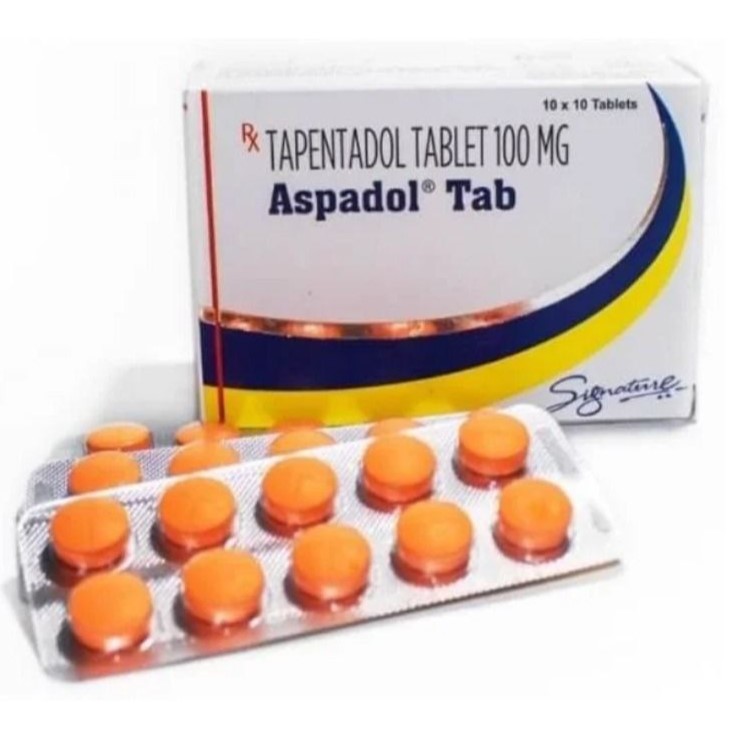
Severe pain can strip normal life down to the basics. It can disturb sleep, limit movement, reduce concentration, and make simple tasks feel exhausting. When appointments take time or existing treatments fail, many patients search Buy Tapentadol Online and hope to find fast relief. Online sellers understand that urgency. They promise privacy, low prices, easy approval, and rapid shipping.
Those promises deserve careful scrutiny. Tapentadol belongs to the opioid class, and the United States places it under Schedule II of the Controlled Substances Act. It can reduce severe pain, but it can also slow breathing, impair judgment, cause physical dependence, and contribute to a fatal overdose. A polished website cannot remove those risks.
A legitimate online pharmacy may fill a valid prescription after a qualified healthcare professional evaluates the patient. An anonymous seller that skips medical oversight creates a very different situation. The tablets may contain the wrong ingredient, an unpredictable dose, harmful contaminants, or no tapentadol at all.
This guide explains what patients should know before they trust an online medicine seller. It covers counterfeit tablets, opioid interactions, dependence, withdrawal, overdose warning signs, pharmacy verification, and safer ways to seek pain treatment.
What Is Tapentadol and Why Do Doctors Prescribe It?
Tapentadol is a prescription opioid analgesic. Doctors may consider it when pain becomes severe enough to require opioid treatment and other options fail to provide adequate relief or cause unacceptable problems. The medicine acts on opioid receptors and also affects norepinephrine activity in the nervous system.
These actions can reduce the brain’s perception of pain. They can also produce drowsiness, dizziness, nausea, constipation, confusion, poor coordination, and respiratory depression. Patients need individual medical guidance because the benefits and risks vary according to the condition, dose, formulation, age, health history, and other medicines.
Tapentadol comes in different formulations. Immediate-release products address certain short-term pain situations, while extended-release products serve specific cases that require continuous treatment. Patients cannot safely exchange one formulation for another without medical advice because each product releases the drug differently.
A doctor does more than approve a prescription. The doctor investigates the source of pain, reviews previous treatments, examines relevant health conditions, checks current medications, and considers the person’s opioid history. That evaluation helps determine whether tapentadol offers a reasonable option.
Someone who buys tablets from an unknown website loses those safeguards. The seller may send the wrong strength, the wrong formulation, or a completely different drug. The customer then faces opioid risks without reliable product information or clinical support.
Why Patients Search for Tapentadol on the Internet
Most patients do not search for strong pain medicine casually. Many deal with persistent pain that affects work, sleep, mobility, relationships, and emotional health. They may feel frustrated after trying several treatments without meaningful improvement.
Access barriers often drive the search. A person may struggle to find a pain specialist, wait weeks for an appointment, lack insurance, or face high medical costs. Someone who lives far from a clinic may see online purchasing as a practical shortcut.
Other patients search after their prescription ends. Their doctor may change the treatment plan, reduce the dose, or stop prescribing the medicine because the risks now outweigh the benefits. The patient may interpret that decision as abandonment, especially when pain remains intense.
Physical dependence can create another motive. A person who takes tapentadol regularly may fear withdrawal when the supply runs low. That fear can encourage urgent decisions and make suspicious sellers look trustworthy.
Some people also want privacy. They may worry that a doctor, pharmacist, employer, or family member will judge their opioid use. Illegal sellers exploit that discomfort through phrases such as “no questions asked,” “discreet shipping,” and “no medical records.”
These concerns deserve real solutions. Patients need affordable access, respectful care, and honest pain management. However, an unverified pharmacy cannot provide those protections simply because it offers a convenient checkout page.
Why “No Prescription Required” Creates a Serious Warning Sign
A website may describe prescription-free access as convenience. In reality, the seller removes a crucial safety check.
A prescription shows that a qualified professional reviewed the patient’s condition and accepted responsibility for a treatment decision. The clinician considers respiratory health, previous opioid exposure, mental health, substance-use history, pregnancy, allergies, liver and kidney function, and possible drug interactions.
An illegal seller usually performs none of that work. Some websites display a short medical questionnaire, but the form often functions as part of the sales process. The seller may approve every customer regardless of the answers.
The FDA warns consumers to avoid online pharmacies that sell prescription medicines without requiring a valid prescription. It also recommends checking whether the relevant state pharmacy board licenses the business.
A company that ignores opioid-prescribing rules may ignore other protections as well. It may hide its location, misrepresent its pharmacists, misuse patient data, store products incorrectly, or source tablets from criminal manufacturers.
Patients should treat the phrase “no prescription needed” as a danger signal rather than a special offer.
The Main Danger: You May Not Receive Tapentadol
A tablet may look genuine while containing something entirely different. Counterfeit manufacturers can copy tablet colours, shapes, markings, blister packs, boxes, batch numbers, and patient leaflets.
The buyer cannot confirm a pill’s contents by comparing it with photographs. Modern counterfeit operations can create products that closely resemble legitimate prescription medicines.
An unsafe tablet may contain:
- Too much of the expected ingredient
- Too little of the expected ingredient
- Another opioid
- A powerful sedative
- Harmful fillers or contaminants
- No active pain medicine
The FDA warns that unsafe online pharmacies may sell medicines with the wrong ingredient, an inaccurate amount of the active ingredient, or other harmful substances.
A strong effect does not prove authenticity. Another opioid can reduce pain and cause sedation, but it may carry a different potency, duration, and overdose risk.
A weak effect also creates danger. The person may take another tablet too soon because the first dose seems ineffective. If the tablets contain uneven amounts, the second pill may deliver a much higher dose and suppress breathing.
Each package can differ. A seller may send one apparently consistent batch and later ship tablets with a completely different composition. A previous order that caused no obvious harm cannot guarantee the safety of the next order.
Counterfeit Pills Can Look Professional
Many people expect counterfeit medicine to arrive in crude packaging with obvious spelling errors. Criminal sellers know this expectation and work hard to create a convincing appearance.
They may copy a known manufacturer’s branding, use professional foil packaging, print realistic product codes, and include detailed information leaflets. Some sellers even provide fabricated laboratory reports or verification numbers.
Professional presentation only proves that someone invested in packaging. It does not prove that a licensed manufacturer produced the tablets or that a regulator tested them.
The DEA warns that criminal networks manufacture fake pills that resemble legitimate prescription products. Some counterfeit opioid tablets contain substances that create a much greater overdose threat than the buyer expects.
Customers should never judge a controlled medicine through visual appearance alone. A licensed supply chain provides the only practical way to gain reasonable confidence in the product’s identity.
Poor Manufacturing Can Create Unpredictable Strength
Licensed pharmaceutical manufacturers use controlled equipment, trained staff, validated processes, and quality tests. These systems help each tablet deliver the intended dose.
An illegal operation may mix powders by hand or use poorly calibrated machinery. The mixture may not distribute evenly. One tablet may contain very little active drug, while another pill from the same batch may contain a dangerously concentrated dose.
This variation creates a hidden trap. A patient may take several weak tablets over several days and conclude that the product lacks strength. The next tablet may contain much more opioid and cause severe sedation or respiratory depression.
Illegal facilities may also process several drugs on the same equipment. Residue from another opioid, sedative, stimulant, or chemical may contaminate the batch.
Storage conditions matter as well. Heat, humidity, sunlight, damaged seals, and long transport periods can affect medicine quality. An anonymous website rarely provides reliable information about factories, warehouses, shipping conditions, or expiration controls.
The customer sees a tablet. The customer does not see the room where someone mixed it, the equipment they used, or the substances that entered the batch.
Tapentadol Can Slow or Stop Breathing
Opioids reduce activity in the part of the brain that controls breathing. Tapentadol can cause serious respiratory depression, especially when a person starts treatment, increases the dose, takes more than directed, or combines it with other central nervous system depressants.
Respiratory depression may begin quietly. The person may breathe more slowly, appear unusually sleepy, produce snoring or gurgling sounds, or struggle to respond to speech.
Friends and relatives may assume that the person only needs sleep. That delay can allow oxygen levels to fall dangerously low.
Several factors can increase risk:
People with asthma, chronic lung disease, sleep apnoea, serious illness, or reduced respiratory capacity may react more strongly. Older adults and physically weakened patients may also face greater danger.
An unregulated tablet adds uncertainty because the customer cannot know the actual dose or ingredients. Even someone who previously tolerated prescribed tapentadol may overdose on a counterfeit product.
A legitimate prescriber assesses these risks before treatment and monitors the patient afterward. An online seller focuses on completing the payment.
Alcohol Can Turn a Normal Dose Into an Emergency
Alcohol and tapentadol both depress the central nervous system. Together, they can intensify sleepiness, poor coordination, confusion, low blood pressure, and breathing problems.
Extended-release tapentadol carries particular concern because alcohol may alter drug exposure and increase overdose risk. FDA prescribing information warns that alcohol can contribute to potentially fatal tapentadol overdose.
A person may underestimate the risk after drinking only a small amount. However, several variables affect the outcome, including body size, food intake, tolerance, other medications, health conditions, and the actual contents of the tablet.
Alcohol also hides early overdose signs. Friends may attribute slow responses or unusual sleepiness to intoxication instead of opioid toxicity.
Patients should discuss alcohol use honestly with their clinician. They should never rely on a seller’s claim that moderate drinking creates no problem.
Benzodiazepines and Other Sedatives Increase the Risk
Benzodiazepines include medicines that doctors may prescribe for anxiety, panic, seizures, or sleep. Examples include lorazepam, alprazolam, diazepam, and clonazepam.
These medicines slow the central nervous system. When someone combines them with tapentadol, the interaction can cause profound sedation, respiratory depression, coma, or death.
Other substances can create similar problems. Sleeping tablets, muscle relaxants, sedating antihistamines, other opioids, and some recreational drugs may intensify tapentadol’s effects.
A patient may not recognise every sedating medicine. A cough product, allergy tablet, post-surgery painkiller, or nighttime cold medicine may contribute to the total effect.
A clinician and pharmacist can review the complete medication list. An illegal seller cannot see the patient’s medical records, recent prescriptions, emergency treatment, or pharmacy history.
Anyone who uses several medicines should avoid guessing about interactions. A short website description cannot replace professional review.
Certain Medicines Can Contribute to Serotonin Syndrome
Tapentadol also affects norepinephrine pathways, and some combinations can contribute to serotonin syndrome. This potentially life-threatening reaction may occur when a person combines certain medicines that influence serotonin.
Symptoms can include agitation, confusion, sweating, fever, a rapid heartbeat, tremor, muscle stiffness, poor coordination, vomiting, and diarrhoea.
Many antidepressants affect serotonin. Other prescription and non-prescription products may also contribute. A patient should never stop an antidepressant suddenly or change a dose simply to take tapentadol.
The prescriber needs a complete list of medicines, supplements, and substances before making a safe decision.
An unsafe pharmacy may collect that information through a questionnaire but ignore it. The site earns money from approval, not from rejecting unsuitable customers.
Tapentadol Can Lead to Physical Dependence
The body can adapt to regular opioid exposure. When that adaptation occurs, a sudden reduction or interruption can trigger withdrawal.
Physical dependence does not automatically mean addiction. A person may develop dependence while following medical instructions. However, dependence still requires careful management.
A patient may first notice anxiety about missed doses, difficulty sleeping without the medicine, sweating before the next dose, or worsening discomfort when the supply runs low.
Online purchasing can strengthen this cycle. The customer may start checking delivery dates constantly, buying larger quantities, or keeping several suppliers available to avoid running out.
Illegal sellers encourage repeat use. They may send promotional emails, offer bulk discounts, or promise stronger tablets. They have no clinical reason to reduce the customer’s reliance because continued purchasing increases their revenue.
A healthcare professional can review whether the medicine still improves function, whether the patient has developed tolerance, and whether another treatment offers a safer path.
Dependence and Addiction Do Not Mean the Same Thing
People often use dependence and addiction as interchangeable terms, but they describe different problems.
Dependence means the body reacts when opioid exposure falls. Addiction, or opioid use disorder, involves a problematic pattern of use that causes significant distress or disrupts daily life. A person may continue using the drug despite harm, lose control over the amount, or spend increasing time seeking it.
A patient can experience dependence without compulsive behaviour. Another person may develop both dependence and opioid use disorder.
Neither condition reflects weak character. Both require accurate assessment and appropriate care.
Patients should speak honestly when they take more than prescribed, run out early, buy tablets online, experience withdrawal, or struggle to control use. A clinician needs that information to reduce risk.
Hiding the problem may feel safer in the moment, but secrecy often allows it to grow.
Tolerance Can Encourage Dangerous Dose Increases
Tolerance occurs when the same dose produces less effect over time. The patient may notice weaker pain relief or a shorter period of benefit.
Someone without medical supervision may respond by taking more tablets, shortening the time between doses, or combining tapentadol with another pain medicine.
That response can lead to overdose. Tolerance to pain relief does not always develop at the same rate as tolerance to respiratory effects.
Worsening pain may also signal a new medical problem rather than tolerance. Infection, nerve compression, disease progression, a new injury, or another condition may require investigation.
Counterfeit products create further confusion. A weak batch may encourage dose escalation. A stronger batch may then deliver a dangerous amount when the person continues the higher dose.
Patients should report reduced pain control instead of changing the dose themselves. The clinician can reassess the diagnosis, medicine, formulation, timing, and treatment goals.
Sudden Discontinuation Can Trigger Withdrawal
A person who takes tapentadol regularly may experience withdrawal after abruptly stopping or rapidly reducing use.
Symptoms can include anxiety, restlessness, sweating, runny nose, yawning, muscle aches, stomach cramps, nausea, diarrhoea, sleep disruption, and a rapid heartbeat. MedlinePlus advises patients not to stop tapentadol suddenly without discussing the change with their doctor.
An illegal supply chain increases the chance of an abrupt interruption. A website may disappear, customs may stop the package, the seller may keep the payment, or a new batch may contain much less opioid.
Fear of withdrawal can push a person toward increasingly risky sellers. The need to maintain supply may eventually control daily decisions.
Patients should not create their own reduction schedule from generic online information. The appropriate plan depends on the dose, formulation, treatment duration, health conditions, other medicines, and individual response.
A clinician can develop a personalised approach and monitor symptoms. Someone who fears judgment should remember that honest information improves medical safety.
Tapentadol Can Affect Driving and Work
Tapentadol may cause drowsiness, dizziness, poor concentration, blurred thinking, and reduced coordination.
These effects can make driving unsafe. They can also endanger people who operate machinery, work at height, handle electricity, supervise children, or perform other safety-sensitive tasks.
Pain relief may create a false sense of improvement. The person feels better physically but still reacts more slowly.
Alcohol, benzodiazepines, sleep medicines, cannabis, and other sedatives can increase impairment.
Counterfeit tablets make the duration unpredictable. A pill may produce effects that continue much longer than the label suggests, leaving the person impaired the following morning.
Patients should follow their clinician’s advice and avoid driving until they know how the medicine affects them. No online seller can guarantee that a tablet will leave driving ability unchanged.
Older Adults May Experience Stronger Effects
Age can affect how the body processes medicines. Older adults may experience greater sensitivity to opioids because of changes in kidney function, liver function, body composition, and nervous-system response.
Tapentadol may increase dizziness, confusion, constipation, falls, and fractures. Multiple prescriptions can add further interaction risks.
An older patient may also have sleep apnoea, lung disease, reduced mobility, memory problems, or a history of falls.
A qualified clinician can review these issues and consider lower exposure, closer monitoring, non-opioid treatments, or additional support.
An anonymous website cannot conduct a meaningful geriatric assessment. It may sell the same quantity to every customer regardless of age, frailty, or medical history.
Family members should pay attention to unusual sleepiness, repeated doses, unsteady walking, confusion, missing tablets, and unexplained falls.
Unsafe Websites Can Steal More Than Money
An illegal pharmacy may use medicine sales to collect personal data. The seller can obtain names, addresses, telephone numbers, card details, identity documents, health information, and photographs.
Some sites take payment and send nothing. Others add unauthorised charges, request fake customs fees, or sell customer data to other criminal networks.
A padlock icon does not prove that the pharmacy operates legally. Encryption only protects information during transmission. Fraudulent websites can also obtain security certificates.
Payment requests through cryptocurrency, gift cards, or wire transfers deserve particular caution. These methods often make refunds and disputes difficult.
After one transaction, the customer may receive messages offering opioids, sedatives, stimulants, and other controlled medicines. Sellers know that someone who previously purchased a painkiller may remain vulnerable.
The FDA warns that unsafe online pharmacies may expose customers to unauthorised charges, missing products, ineffective drugs, and privacy risks.
Online Sellers Use Pain and Urgency as Marketing Tools
Severe pain reduces patience. It encourages people to focus on immediate relief and ignore warning signs.
Illegal sellers design their websites around that emotional state. They use countdown timers, limited-stock messages, same-day shipping promises, and dramatic discounts.
A legitimate pharmacy does not need to create panic around a controlled prescription medicine.
Some websites display hundreds of positive reviews. The comments may describe quick delivery, perfect tablets, and complete pain relief. The seller can fabricate, purchase, or selectively display those testimonials.
Other sites use images of doctors, laboratories, hospitals, and pharmacists. They may steal photographs from unrelated websites or invent professional biographies.
Many sellers also position themselves against healthcare professionals. They claim that doctors do not understand pain, pharmacies charge unfair prices, or regulations only create inconvenience.
This message isolates the customer from legitimate care. It encourages the person to trust the seller instead of seeking an accountable medical opinion.
How to Recognise an Unsafe Online Pharmacy
Patients should stop and verify a website whenever they see warning signs. The following features deserve particular concern:
- The website offers tapentadol without a valid prescription.
- It guarantees approval before any clinical assessment.
- It sells unusually large quantities.
- It promises delivery to every country regardless of local law.
- It hides its physical address or business identity.
- It provides no access to a licensed pharmacist.
- Regulators cannot verify its pharmacy licence.
- It requests cryptocurrency, gift cards, or wire transfers.
- It advertises prices far below established pharmacies.
- It sells several controlled drugs without prescriptions.
- It uses urgent countdown timers and aggressive pop-ups.
- It promises that tapentadol carries no addiction risk.
- It ships loose tablets or unmarked packages.
- It provides no clear batch number or expiration date.
- Its customer reviews sound repetitive or unnatural.
The FDA advises consumers to avoid pharmacies that do not require prescriptions, lack a verifiable licence, provide no pharmacist, or sell medicine in damaged or unusual packaging.
A professional design does not cancel these warning signs.
What Makes an Online Pharmacy Legitimate?
A legitimate online pharmacy operates as part of the regulated healthcare system. It does not behave like an anonymous general retailer.
The pharmacy should require a valid prescription from an authorised healthcare professional. It should provide a verifiable physical address, a working telephone number, clear privacy terms, and access to a licensed pharmacist.
US consumers should confirm the pharmacy’s status through the relevant state board of pharmacy. The FDA advises patients not to use an online pharmacy when they cannot find it in the official licensing database.
The medicine should arrive in a properly labelled container. The label should identify the patient, medicine, strength, instructions, prescriber, and dispensing pharmacy.
A licensed pharmacy will not promise tapentadol simply because the patient requests it. The prescriber may recommend another treatment or refuse the medicine after reviewing the risks.
Consumers should verify claims independently. A licence logo on the seller’s own website does not prove anything unless an official regulator confirms it.
Can a Telehealth Doctor Prescribe Tapentadol?
Telehealth can provide legitimate medical care, but an online appointment does not automatically make every prescribing service safe.
A genuine provider should verify the patient’s identity, hold the appropriate professional licence, review the medical history, assess the pain condition, examine previous treatment, and follow current controlled-substance rules.
The clinician should not guarantee tapentadol before the consultation. A real medical evaluation may lead to a different medication, diagnostic testing, physical therapy, specialist referral, addiction treatment, or emergency care.
Patients should verify the clinician’s licence through the relevant professional regulator. They should also verify the pharmacy separately.
A website that combines an automatic questionnaire, guaranteed approval, and immediate checkout may function as a drug seller rather than a healthcare service.
Controlled-substance telehealth rules vary by location and may change. Patients should rely on current official information rather than legal claims written by the seller.
Why a Very Low Price Should Raise Questions
Medicine prices can vary, but an extreme discount often signals risk.
The seller may offer counterfeit, expired, diverted, or non-existent stock. Some websites advertise a low price and then demand extra payments for insurance, customs clearance, delivery, or a “refundable security fee.”
Others send a small first package to gain trust. They later encourage a larger purchase and disappear after receiving payment.
The actual cost may extend far beyond the advertised amount. A counterfeit opioid can lead to emergency treatment, hospitalisation, missed work, dependence, legal problems, and identity theft.
A cheap tablet provides no value when the customer cannot verify its identity, dose, or quality.
Legal Risks Can Follow an Unlawful Purchase
The United States classifies tapentadol as a Schedule II controlled substance. This category recognises medical use while also reflecting significant abuse and dependence risks.
A person who obtains tapentadol without lawful authority may violate controlled-substance or importation rules. International shipping does not remove local legal requirements.
Customs officials may stop or seize a package. The customer may lose money, expose personal information, or face an investigation.
Illegal sellers often publish misleading claims about personal-use quantities or overseas pharmacies. Customers should not accept legal advice from a business that profits from the transaction.
Laws differ among countries and jurisdictions. Anyone who needs legal guidance should consult an appropriate regulator or qualified legal professional.
Tapentadol Does Not Suit Every Type of Pain
Pain describes a symptom rather than one disease. Muscle injury, arthritis, nerve damage, infection, cancer, migraine, spinal disorders, surgery, and autoimmune conditions can all cause different forms of pain.
Tapentadol may help in selected situations, but another treatment may address the underlying cause more effectively.
A clinician looks beyond a pain score. The assessment covers function, movement, sleep, mood, neurological symptoms, previous treatment, and changes in the pain pattern.
Sudden worsening may signal a new injury, infection, nerve compression, or another urgent problem. Taking more opioid can mask symptoms and delay diagnosis.
Someone who searches Order Tapentadol Online may actually need imaging, laboratory testing, physical rehabilitation, surgery, infection treatment, or specialist care.
A tablet cannot replace an accurate diagnosis.
Non-Opioid Treatments May Provide Better Long-Term Value
Effective pain care often combines several approaches. The best plan depends on the diagnosis, health history, and treatment goals.
Doctors may consider non-opioid medicines, physical therapy, rehabilitation, psychological pain-management strategies, procedures, sleep treatment, workplace changes, or lifestyle support.
Psychological treatment does not suggest that pain exists only in the mind. Pain involves tissue, nerves, the spinal cord, the brain, sleep, movement, stress, and previous experiences.
Physical therapy can improve strength, mobility, confidence, and daily function. Other approaches may reduce inflammation, improve sleep, or treat nerve-related symptoms.
A useful treatment plan focuses on meaningful outcomes. These may include walking farther, sleeping longer, returning to work, caring for family, or reducing severe flare-ups.
Complete pain elimination may not always provide a realistic or safe goal. Better function and lower risk often matter more than a temporary reduction in the pain score.
What to Do After Ordering Suspicious Tablets
Do not take a tablet merely to test whether it works. A pain-relieving or sedating effect cannot confirm genuine tapentadol.
Keep the packaging, blister packs, shipping label, receipts, payment records, and website information. A pharmacist, clinician, poison centre, or regulator may need those details.
Contact a licensed pharmacist or healthcare professional. Explain where the tablets came from, what the package claims, how much you took, and when you took it.
Mention alcohol, benzodiazepines, sleeping tablets, antidepressants, other opioids, cannabis, and recreational substances. Complete information helps the professional assess danger.
Do not share the pills. Keep them away from children, visitors, and animals.
Ask a pharmacy or authorised disposal service how to discard the tablets safely. Do not leave them in household rubbish where another person can retrieve them.
Report the website through the appropriate national medicine regulator when possible.
How to Recognise an Opioid Overdose
An opioid overdose demands immediate action. Warning signs may include extremely slow or stopped breathing, inability to wake, blue or grey lips, limpness, pinpoint pupils, vomiting while unconscious, and choking or gurgling sounds.
Call emergency services immediately when someone cannot breathe normally or does not respond.
Do not allow the person to “sleep it off.” Do not rely on coffee, walking, cold water, or a shower. These actions do not reverse opioid toxicity.
Naloxone can temporarily reverse an opioid overdose. Patients who use opioids and the people who live with them should ask a doctor or pharmacist about naloxone access and training. Emergency services still need to evaluate the person because naloxone may wear off while the opioid remains active.
Stay with the person until help arrives. Follow the emergency dispatcher’s instructions.
Safe Storage Still Matters With a Valid Prescription
A legitimate prescription does not remove every risk. Patients must store tapentadol securely.
Children, teenagers, visitors, and other household members may take accessible tablets accidentally or intentionally. A locked medication cabinet or lockbox provides better protection than a bathroom shelf, handbag, bedside drawer, or kitchen cupboard.
Keep the medicine in its original labelled container. An unmarked bottle can cause dosing mistakes and delay emergency treatment.
Never share tapentadol. A dose that suits one patient may cause a serious overdose in another person.
Track the remaining tablets. Missing medicine may reveal unauthorised access.
Patients should dispose of unused opioids through an authorised take-back programme or according to professional guidance. Keeping leftover tablets without a medical reason creates unnecessary risk.
How to Discuss Pain Treatment With a Doctor
Patients sometimes avoid honest conversations because they fear dismissal or judgment. Clear information gives the clinician the best chance to help.
Describe the pain’s location, character, intensity, timing, and triggers. Explain what improves or worsens it.
Discuss how pain affects sleep, work, walking, concentration, appetite, relationships, and personal care. Functional details often provide more useful information than a number alone.
Bring a complete list of medicines and substances. Include prescriptions, non-prescription products, supplements, alcohol, cannabis, and recreational drugs.
Tell the clinician about previous opioid use, withdrawal symptoms, increased doses, lost prescriptions, or online purchases. Concealing these details can make treatment more dangerous.
Ask what diagnosis explains the pain, what alternatives exist, how the clinician will measure progress, and what symptoms require urgent attention.
Patients should also ask whether naloxone would benefit their household and how they should store or dispose of the medicine.
What to Do When Pain Control Feels Inadequate
Poor pain control can feel frightening, but an extra opioid dose can create another emergency.
Contact the prescribing service and explain what has changed. The clinician may need to reassess the diagnosis, adjust another treatment, investigate new symptoms, or arrange urgent care.
Seek prompt attention when pain appears with weakness, paralysis, loss of bladder or bowel control, severe chest pain, breathing difficulty, high fever, confusion, or major trauma.
Do not combine tapentadol with someone else’s medicine. Do not crush an extended-release tablet or change the formulation.
Tell the healthcare team when cost or access causes the main problem. They may know about alternative medicines, patient-assistance services, community clinics, insurance appeals, rehabilitation, or specialist referrals.
An unverified online seller does not need to become the default solution.
Frequently Asked Questions
Is It Safe to Buy Tapentadol Online?
A licensed online pharmacy may fill a valid tapentadol prescription when it follows applicable pharmacy and controlled-substance rules. A seller that offers the opioid without appropriate medical oversight creates serious health, legal, and financial risks.
Can I Order Tapentadol Online Without a Prescription?
US law treats tapentadol as a Schedule II controlled prescription medicine. A website that offers it without a valid prescription presents a major warning sign. Other countries apply their own laws, so consumers should consult official local guidance.
Can Counterfeit Tapentadol Look Genuine?
Yes. Criminal manufacturers can copy pill shapes, colours, markings, packaging, and patient leaflets. Appearance cannot confirm the medicine’s identity or strength.
Why Does Tapentadol Carry a Schedule II Classification?
Tapentadol has accepted medical uses, but it also carries significant risks involving misuse, dependence, addiction, and overdose. US authorities therefore place it in Schedule II.
Can Tapentadol Cause a Fatal Overdose?
Yes. Tapentadol can slow breathing and contribute to a fatal overdose, particularly after excessive use or combination with alcohol, benzodiazepines, other opioids, or sedatives.
Can I Drink Alcohol While Taking Tapentadol?
Alcohol can intensify sedation, impaired judgment, and respiratory depression. Patients should follow their clinician’s instructions and discuss alcohol use openly.
Can Tapentadol Cause Dependence?
Yes. Regular opioid exposure can cause physical dependence. Patients may then experience withdrawal when they stop suddenly or reduce the dose too quickly.
Should I Stop Tapentadol Suddenly?
A person who takes tapentadol regularly should speak with a healthcare professional before stopping. A clinician can create an individual plan and monitor withdrawal symptoms.
What Should I Do With Suspicious Tablets?
Do not take additional tablets. Keep the packaging and contact a licensed pharmacist, doctor, poison centre, or medicine regulator. Call emergency services when someone experiences breathing problems, collapse, seizures, or inability to wake.
How Can I Verify an Online Pharmacy?
US consumers should check the pharmacy through the relevant state board of pharmacy. The business should require a valid prescription, provide a verifiable address and telephone number, and offer access to a licensed pharmacist.
Can a Telehealth Provider Prescribe Tapentadol?
A properly licensed provider may prescribe controlled medicine when the patient’s condition and current law allow it. A legitimate provider conducts a meaningful evaluation and does not guarantee a particular opioid before the consultation.
Should Opioid Patients Keep Naloxone at Home?
Many opioid patients and households can benefit from naloxone access. A doctor or pharmacist can explain how to obtain and use it. Naloxone does not replace emergency medical care.
Conclusion
A search for Buy Tapentadol Online often begins with a genuine need for pain relief. Unfortunately, illegal sellers can use that need to market counterfeit tablets, steal personal information, and bypass essential medical safeguards.
Tapentadol carries serious opioid risks. It can impair judgment, cause dependence, trigger withdrawal, slow breathing, and contribute to a fatal overdose. Alcohol, benzodiazepines, sleeping medicines, other opioids, and unknown tablet ingredients can increase those dangers.
Patients should only obtain tapentadol through a qualified prescriber and a verifiable licensed pharmacy. That process supports accurate diagnosis, interaction screening, correct dispensing, counselling, follow-up care, and safe treatment changes.
Anyone who already purchased suspicious tablets should avoid taking more and contact a healthcare professional. Severe sleepiness, slowed breathing, blue or grey lips, collapse, seizures, or inability to wake require immediate emergency help.
Pain deserves serious treatment. It also deserves accountable healthcare rather than an anonymous seller that disappears after accepting payment.