
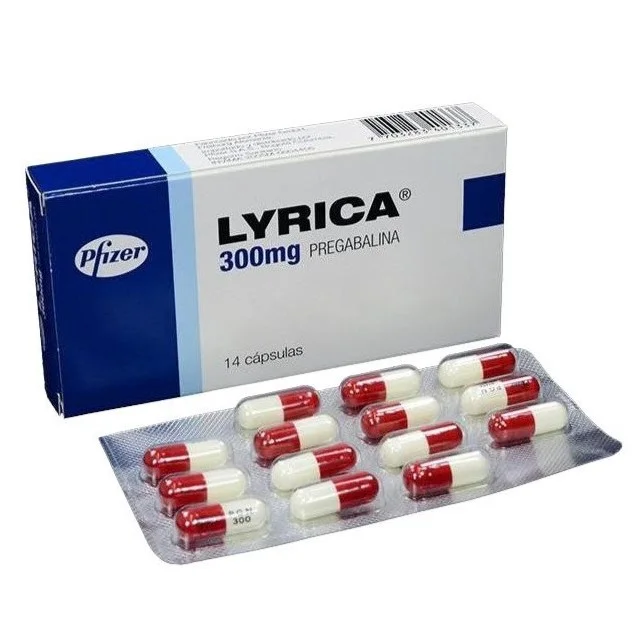
Living with nerve pain, fibromyalgia, or anxiety isn’t easy. You need something that works—and works without making your day worse. That’s where Lyrica (Pregabalin) steps in. This prescription drug has helped millions find relief from persistent nerve discomfort, sharp shooting pain, and the unpredictable bursts of seizures or anxiety.
| Medicine Name | Lyrica – Pregabalin |
| Medicine Strength | 300 mg |
| Shipment Delivery | USA & UK Fast Delivery |
| Best Price | $1.45 per pills |
| Where to buy? | Visit Pharmacy |
People now order groceries, book medical consultations, manage bank accounts, and collect prescriptions without leaving home. Online healthcare can save time and improve access, especially for people who live far from a pharmacy or manage a long-term condition. However, prescription medicines require more care than ordinary online products.
Pregabalin can help people who live with certain forms of nerve pain, epilepsy, and other approved conditions. It can also cause dizziness, drowsiness, dependence, withdrawal symptoms, and dangerous interactions. These risks make medical supervision essential.
A search for buy Pregabalin online can bring up licensed pharmacies, genuine telehealth providers, overseas sellers, social-media accounts, and websites that promise medicine without a prescription. They may look equally professional, but they do not offer equal safety.
This guide explains how pregabalin works, who may receive it, how to recognise a legitimate pharmacy, what warning signs to avoid, and how to use the medicine responsibly. It also explains what people should check before they buy Lyrica online, how generic pregabalin differs from the branded product, and why a low price should never replace proper verification.
This article provides general education. It does not diagnose a condition, recommend a personal dose, replace a prescription, or provide a route around controlled-medicine laws.
What Is Pregabalin, and Why Do Doctors Prescribe It?
Pregabalin belongs to a group of medicines called anticonvulsants or gabapentinoids. Doctors use it to reduce abnormal nerve signalling. Damaged or overactive nerves can send repeated pain signals even when no new injury occurs. Pregabalin can calm some of that activity and reduce the intensity of certain nerve-related symptoms.
Doctors do not use pregabalin as a standard painkiller for every headache, backache, muscle strain, or injury. Ordinary painkillers and pregabalin work in different ways. Someone may experience severe pain and still gain little benefit from pregabalin when nerve dysfunction does not drive the symptoms.
In the United States, approved pregabalin uses include nerve pain linked to diabetes, pain after shingles, fibromyalgia, nerve pain associated with spinal cord injury, and additional treatment for certain partial-onset seizures. The United Kingdom also uses pregabalin for epilepsy, nerve pain, and anxiety under its own clinical and regulatory framework. Approved uses can differ between countries, so patients should follow advice from a clinician who practises in their location.
Pregabalin and nerve pain
Neuropathic pain develops when nerves suffer damage or stop functioning normally. People often describe this pain as burning, tingling, stabbing, shooting, prickling, numbness, or an electric-shock sensation.
Diabetes can damage peripheral nerves over time. Shingles can leave persistent nerve pain after the rash disappears. A spinal cord injury can also create long-term nerve symptoms. These examples may lead a doctor to consider pregabalin, but the doctor still needs to evaluate the complete clinical picture.
Many other conditions can produce similar symptoms. Vitamin deficiencies, trapped nerves, poor circulation, medication reactions, infections, injuries, autoimmune conditions, and neurological disorders can all cause tingling or burning sensations. A website cannot safely identify the cause from one symptom and one checkbox.
A qualified clinician should ask when the symptoms began, where they occur, what makes them worse, how they affect sleep and daily function, and which treatments the patient has already tried. The clinician may also need an examination, blood tests, imaging, nerve tests, or access to previous medical records.
Pregabalin and epilepsy
Doctors may add pregabalin to other medicines when a person experiences certain types of seizures. Pregabalin does not cure epilepsy, and patients must take it consistently to support seizure control.
People who use pregabalin for epilepsy should never change the dose or stop treatment without medical guidance. Sudden changes can increase seizure risk. A missed dose may also matter more for a person with epilepsy than for someone who takes pregabalin for another condition.
Pregabalin and anxiety
Clinicians in some countries use pregabalin to treat generalised anxiety disorder. Other countries may not approve or routinely recommend it for the same purpose. A patient should not order pregabalin from another country simply because that country lists an additional indication.
Anxiety also requires a proper assessment. Several medical conditions, medicines, stimulants, recreational drugs, sleep problems, and mental-health disorders can cause or worsen anxiety symptoms. A prescriber should review those possibilities before choosing treatment.
How pregabalin differs from Lyrica
Lyrica represents a brand name for pregabalin. Both branded Lyrica and authorised generic pregabalin contain pregabalin as the active ingredient.
A regulator-approved generic should meet the applicable quality and performance standards. The manufacturer may use a different capsule shell, colour, marking, package design, or inactive ingredient. These differences do not automatically make the generic inferior.
Patients sometimes search for buy Lyrica online because they recognise the brand name more easily than the generic name. Others prefer the branded product because they have used it before. Cost, availability, insurance rules, and the prescription wording may affect which version a pharmacy supplies.
A patient should speak to the pharmacist when a refill looks different. The pharmacy may have changed generic manufacturers. However, the patient should not take the capsules until the pharmacist confirms the product when the label, strength, packaging, or appearance creates concern.
Why the right dose varies between patients
Pregabalin does not have one ideal dose for everyone. A clinician considers several factors before selecting a starting dose and treatment schedule.
Kidney function plays an important role because the body removes pregabalin mainly through the kidneys. Reduced kidney function can cause the medicine to remain in the body longer. A standard dose may produce excessive drowsiness, confusion, dizziness, or other problems in someone whose kidneys work less efficiently.
Age, body response, treatment purpose, other medicines, previous side effects, and substance-use history may also influence the plan. A clinician may start with a low dose and increase it gradually to reduce side effects and identify the lowest effective amount. The NHS describes this gradual approach as a common way to begin treatment.
People should never copy another person’s dose or follow a dosing schedule from an online forum. Two people may report similar symptoms but have completely different diagnoses, kidney function, interactions, and risk factors.
Immediate-release and extended-release products
Pregabalin comes in different formulations. These may include capsules, oral liquid, standard tablets, and extended-release tablets, depending on the country and product.
Extended-release medicine releases the active ingredient over a longer period. Patients should not switch between immediate-release and extended-release products without professional guidance. They should also avoid crushing, chewing, opening, or splitting a product unless the pharmacist confirms that the formulation allows it.
The prescription should identify the correct product, strength, schedule, and quantity. A legitimate pharmacy should never substitute an unfamiliar formulation without checking the prescription and following local dispensing rules.
Why Buying Pregabalin Online Requires Extra Care
Online pharmacies can provide a useful service. They can deliver medicine to people with limited mobility, demanding schedules, chronic illness, transport difficulties, or long distances to the nearest pharmacy. They can also support repeat prescriptions and help patients keep a consistent medication supply.
However, the internet also allows unlicensed sellers to reach patients directly. These sellers may operate from another country, hide their physical location, copy a real pharmacy’s registration details, or send tablets through ordinary mail without any pharmaceutical oversight.
A website may look polished and still sell counterfeit medicine. Professional graphics, medical photographs, customer reviews, security symbols, and a modern checkout page cannot prove that regulators have licensed the pharmacy.
A secure website does not equal a safe pharmacy
Many people look for a padlock symbol beside the website address. That symbol shows that the site encrypts information during transmission. Encryption can help protect data, but it does not confirm the seller’s pharmacy licence.
An illegal seller can purchase a security certificate in the same way that any other website owner can. The padlock may protect the payment details while the seller still supplies fake or unlawfully imported medicine.
Patients must verify the pharmacy through an independent regulatory register rather than relying on the site’s appearance.
Search-engine rankings do not prove legitimacy
A rogue pharmacy may appear near the top of search results. It may purchase advertisements, publish large numbers of optimised pages, create fake review websites, or use phrases that match urgent customer searches.
A high ranking shows marketing visibility. It does not show clinical quality.
People who search buy Pregabalin online often feel pain, anxiety, urgency, or frustration. Illegal sellers understand that emotional state. They use phrases such as “instant approval,” “overnight delivery,” “no medical questions,” and “guaranteed supply” to encourage fast decisions.
A legitimate pharmacy may offer quick service, but it will not remove the prescription and safety requirements that apply to pregabalin.
Why “no prescription” offers create serious risks
A seller who offers pregabalin without a prescription does not provide a helpful shortcut. That seller removes the professional assessment that checks:
- Whether the symptoms match an appropriate condition
- Whether pregabalin offers a reasonable treatment option
- Whether kidney impairment requires a lower dose
- Whether another medicine creates a harmful interaction
- Whether the patient has a history of dependence or misuse
- Whether pregnancy or breastfeeding affects the decision
- Whether the symptoms require urgent investigation
- Whether another treatment may work better
The FDA advises consumers to avoid online pharmacies that do not require a prescription. It also recommends checking for a physical address, a valid licence, and access to a licensed pharmacist.
A genuine telehealth provider may conduct the consultation online, but a qualified prescriber must still make an individual clinical decision. Payment for a consultation should not guarantee a prescription.
Counterfeit medicine can look convincing
Counterfeiters no longer rely only on obvious spelling errors or crude packaging. Some can copy boxes, foil strips, capsule markings, barcodes, information leaflets, and manufacturer logos.
A fake capsule may contain:
- No pregabalin
- Less pregabalin than the label claims
- More pregabalin than the label claims
- A different prescription medicine
- An undeclared sedative
- Contaminants or unsuitable ingredients
- Inconsistent amounts from one capsule to another
Even genuine medicine can become unsafe when sellers store it in excessive heat, moisture, direct sunlight, or unclean conditions. Patients cannot judge storage history by looking at a capsule.
The regulated supply chain offers traceability. Manufacturers, distributors, wholesalers, and pharmacies must follow legal and professional requirements. Social-media sellers and anonymous websites usually provide no comparable accountability.
Data theft creates another danger
People often focus on the medicine and overlook the personal data they submit. An online pharmacy may request:
- Full name
- Home address
- Date of birth
- Payment information
- Medical history
- Prescription copies
- Identity documents
- Information about controlled medicines
- Details of mental-health or pain conditions
A dishonest seller can misuse, resell, or expose that information. A suspicious website may also charge the card repeatedly or pass payment data to other parties.
A legitimate provider should publish a clear privacy policy, explain how it handles medical information, use secure payment methods, and identify the legal organisation responsible for the service.
Overseas ordering can create legal problems
A medicine may carry approval in one country but not in another. Prescription rules, controlled-drug classifications, import restrictions, and telehealth laws also vary.
A patient may find a website that claims to ship worldwide, but that promise does not prove that the transaction follows the destination country’s law. Customs authorities may stop the package. Regulators may treat personal importation differently from domestic dispensing.
Pregabalin also carries controlled status in several jurisdictions. Patients should not assume that a prescription from one country gives them permission to import, possess, or transport the medicine everywhere.
Anyone who plans to order across a border should first check current government rules and speak with a local pharmacist or prescriber. A cheaper advertised price cannot compensate for confiscation, legal risk, poor storage, or counterfeit medicine.
How to Verify a Pharmacy Before You Buy Pregabalin Online
People should perform verification before they upload documents, enter card information, or pay for a consultation. A few deliberate checks can expose many unsafe sellers.
1. Confirm that the pharmacy requires a prescription
A legitimate pharmacy should request a valid prescription from an authorised prescriber. A connected telehealth service may arrange an assessment, but it should never promise pregabalin before a clinician reviews the patient.
Avoid any website that allows a customer to select a strength, quantity, and delivery address without a prescription or meaningful consultation.
A short questionnaire does not automatically create a valid medical assessment. Look at the quality of the questions. A responsible service should ask about diagnosis, symptoms, medical history, kidney problems, current medicines, allergies, alcohol use, substance use, pregnancy, previous treatment, and adverse reactions.
The prescriber should also have the power to reject the request, ask for medical records, recommend an in-person examination, or direct the patient toward urgent care.
2. Identify the legal pharmacy name
The website should clearly identify the business that dispenses the medicine. A telehealth company, marketing platform, prescribing clinic, and dispensing pharmacy may operate as separate organisations.
Find the pharmacy’s:
- Legal business name
- Physical address
- Telephone number
- Registration number
- Responsible pharmacist details where applicable
- Complaint procedure
- Regulatory authority
Do not accept a vague statement such as “our partner pharmacy will fulfil your order.” The patient should know which pharmacy will handle the prescription before payment.
3. Search the official register independently
Do not trust a registration logo merely because the website displays it. A fraudulent seller can copy a real logo or registration number.
Open the official regulator’s register separately and search for the pharmacy. Compare the legal name, address, domain, and registration status with the information on the website.
Patients in the United States can use the relevant state board of pharmacy database and official FDA pharmacy-safety resources. Patients in Great Britain can check the General Pharmaceutical Council register.
The details should match exactly. A scammer may copy the registration number of a genuine pharmacy but use a different domain name or address.
4. Verify the prescriber
When a website offers an online consultation, identify the professional who will review the request. Check the prescriber’s name and registration through the appropriate medical, nursing, or pharmacy regulator.
The clinician should hold authority to prescribe for patients in the relevant jurisdiction. A doctor who practises legally in one country or state may not automatically hold authority in another.
Be cautious when the website refers only to “our doctors” or “the clinical team” without identifying any accountable professional.
5. Check for real pharmacist access
A legitimate pharmacy should provide access to a licensed pharmacist who can answer questions about:
- How to take the medicine
- Potential interactions
- Missed doses
- Side effects
- Packaging differences
- Storage
- Refills
- Disposal
- Damaged deliveries
A chatbot or sales representative cannot replace a pharmacist. Try the contact method before ordering. Ask a straightforward medicine-related question and assess whether the response shows professional knowledge.
6. Review the payment method
Normal pharmacies usually accept traceable standard payments. A seller that demands cryptocurrency, gift cards, wire transfers, or payment to an individual creates additional risk.
A secure card payment does not prove legitimacy, but unusual payment demands should trigger caution. Customers should also review the total cost before they provide payment details.
The total may include:
- Consultation charges
- Prescription fees
- Medicine costs
- Dispensing charges
- Delivery fees
- Repeat-prescription fees
- Follow-up consultation charges
A website may advertise a low medicine price and add substantial fees during checkout.
7. Inspect the privacy policy
The service should explain which organisation controls personal data, why it collects information, how long it keeps records, and whether it shares data with pharmacies, clinicians, delivery providers, or other companies.
Avoid a site that reserves broad rights to sell medical information or send data to unnamed commercial partners.
The privacy policy should match the actual company and jurisdiction. Some fraudulent sellers copy policies from unrelated healthcare websites.
8. Examine the delivery information
A responsible pharmacy should explain:
- Where it dispatches the medicine
- Which courier it uses
- Whether the parcel requires a signature
- How it handles missed deliveries
- What happens when a package suffers damage
- How customers report a dispensing error
- Whether dispatch delays affect controlled medicines
- How the outer package protects privacy
Discreet packaging can protect confidentiality. However, a seller should not offer to remove the prescription label, declare the medicine as another product, or disguise the shipment to avoid customs.
9. Look beyond customer reviews
Reviews can help, but they cannot verify the medicine’s contents. A customer may leave a five-star review because the package arrived quickly. That customer still may not know whether the capsule contains the correct amount of pregabalin.
Sellers can also purchase reviews, remove negative comments, or build fake comparison websites.
Official registration, accountable professionals, prescription requirements, transparent company details, and pharmacist access provide stronger evidence than testimonials.
10. Check how the service handles repeat requests
A safe provider should review ongoing need rather than issuing endless refills automatically. It should ask whether pregabalin still helps, whether side effects have developed, whether the patient has increased the dose, and whether new medicines create interactions.
A service should investigate repeated early refill requests, lost packages, multiple prescribing sources, or rapid requests for stronger doses.
When a company approves every request without review, it prioritises sales over patient safety.
Smart Ways to Buy Lyrica Online Without Compromising Safety
Some patients specifically search buy Lyrica online because their clinician prescribed the branded product. Others use “Lyrica” as a familiar term for any pregabalin medicine.
The safest buying process starts with the prescription rather than the product page.
Confirm whether the prescription names the brand
A prescription may specify Lyrica, pregabalin, a particular formulation, or a particular manufacturer. Local dispensing rules determine whether the pharmacist can provide an equivalent generic.
Ask the pharmacist before placing the order when:
- You want the branded product only
- You previously reacted to an inactive ingredient
- Your capsule appearance has changed
- Your insurer covers only a particular version
- The pharmacy lists several manufacturers
- The prescription specifies extended-release medication
- You feel uncertain about substitution
Patients should never assume that every product marketed as “generic Lyrica” comes from a regulated manufacturer. The phrase only has value when a licensed pharmacy supplies an authorised pregabalin product.
Compare total value, not only price
Branded Lyrica may cost more than generic pregabalin. However, prices vary according to country, insurance coverage, pharmacy network, package size, and dispensing arrangements.
Compare prices only among verified pharmacies. Include every fee rather than comparing the headline capsule price.
A cheaper source does not offer real value when it:
- Avoids prescriptions
- Hides the pharmacy location
- Ships from an unexpected country
- Provides no pharmacist
- Uses untraceable payment
- Sends loose capsules
- Ignores damaged deliveries
- Supplies an unknown formulation
A regulated generic often provides a sensible cost-saving option. Patients should discuss that option with their prescriber or pharmacist instead of choosing a suspicious seller.
Do not purchase an excessive quantity
Large orders can appear cheaper per capsule, but they create practical risks.
A clinician may need to change the dose after side effects appear. The medicine may not improve the condition. The patient may need to taper and stop. A large supply can also increase the risk of theft, accidental ingestion, misuse, or diversion.
Controlled-medicine laws may limit prescription validity, quantity, or repeat dispensing. Follow the prescribed amount rather than choosing a larger package for convenience.
Avoid emergency buying
People sometimes wait until they have one or two capsules left before ordering. A delayed parcel can then create panic and push the patient toward an unverified seller.
Plan refills in advance. Consider weekends, public holidays, prescription-processing time, consultations, stock shortages, and delivery schedules.
Contact the licensed pharmacy or prescriber when a delay occurs. Do not reduce doses, double later, borrow capsules, or order from a social-media account.
Keep one coordinated medication record
Using several online prescribers can fragment care. One service may not know that another doctor increased the dose or added an opioid, sleeping tablet, or anxiety medicine.
Tell every relevant clinician and pharmacist about the full medication list. Include:
- Prescription medicines
- Non-prescription medicines
- Vitamins
- Herbal products
- Alcohol use
- Recreational substances
- Medicines obtained through telehealth
- Medicines obtained from another country
This information helps the prescriber identify sedation and breathing risks.
How to Inspect Pregabalin or Lyrica When the Order Arrives
Even when a patient uses a verified pharmacy, they should inspect the delivery before taking the medicine. Pharmacies can make dispensing errors, parcels can suffer damage, and couriers can deliver an order to the wrong person.
Check the outer parcel
Look for:
- Water damage
- Crushing
- Torn packaging
- Broken security seals
- Evidence that someone opened and resealed the parcel
- An unexpected sender or return address
- Missing temperature protection when the product requires it
Photograph visible damage before opening the package. Keep the delivery materials until the pharmacy resolves any concern.
Read the dispensing label
The label should show the correct:
- Patient name
- Medicine name
- Strength
- Formulation
- Directions
- Quantity
- Pharmacy details
- Dispensing date
- Relevant warnings
Do not take the medicine when the label belongs to another person or shows a different strength. Contact the pharmacy immediately.
Examine the original packaging
Look for the manufacturer’s name, batch or lot number, expiry date, intact seals, and consistent printing.
Warning signs may include:
- Missing expiry information
- Blurred printing
- Poorly aligned text
- Spelling errors
- Different batch details on the box and blister
- Loose capsules in an unlabelled bag
- Damaged foil
- Mixed capsule colours or markings
- Unexpected foreign-language packaging
- A product that differs significantly from the order
A foreign-language package does not always prove counterfeiting, but it may show that the seller supplied a product intended for another market. The patient should ask the pharmacy to explain.
Compare the capsule carefully
Manufacturers can produce pregabalin capsules with different colours and markings. An appearance change may result from a routine generic substitution.
Do not rely on an image search to identify the capsule. Counterfeiters can copy genuine markings, and online photographs may show a product from another country or manufacturer.
Contact the dispensing pharmacist and provide:
- The capsule markings
- The strength on the label
- The manufacturer
- The batch number
- Photographs of the box and blister
- The previous product details
Do not open, taste, crush, or chemically test the capsule at home.
Keep records when you suspect a problem
Save the parcel, packaging, blister strips, receipt, emails, prescription, photographs, and unused capsules.
The pharmacist may need these materials to investigate a dispensing error. A regulator or manufacturer may also request them when counterfeit medicine appears possible.
Patients can report serious medicine problems through official safety systems, such as FDA MedWatch in the United States or the Yellow Card scheme in the United Kingdom.
How to Take Pregabalin Safely
An authentic medicine can still cause harm when someone takes it incorrectly. Patients should follow the prescription label and pharmacist’s directions rather than advice from forums, videos, or friends.
Take the prescribed amount
Do not increase the dose because pain feels worse on one day. Pregabalin does not work like an instant rescue painkiller. An extra capsule may increase dizziness, confusion, sedation, falls, and breathing risk without providing meaningful additional benefit.
Doctors often begin with a lower amount and increase it gradually. This approach gives the body time to adjust and helps the clinician evaluate side effects.
Patients should tell the prescriber when the medicine does not help. The clinician may review the diagnosis, examine the dose, consider another treatment, or plan a gradual reduction.
Take doses consistently
Follow the schedule on the label. Taking pregabalin at consistent times helps maintain a stable routine and reduces accidental missed or repeated doses.
Use a reminder, medication chart, or suitable pill organiser when needed. A pharmacist can advise whether a particular organiser suits the product.
Keep the original labelled container available. It provides essential information during travel, emergency care, and pharmacy discussions.
Handle missed doses carefully
General NHS advice tells patients to take a missed dose when they remember unless the next dose will occur soon. In that situation, they should skip the missed dose and continue the normal schedule. Patients should not take two doses together to compensate.
The correct action may depend on the formulation and schedule. Ask the pharmacist when uncertainty remains.
People who take pregabalin for epilepsy should seek prompt professional advice when they miss several doses because inconsistent treatment can affect seizure control.
Do not stop suddenly
The body can adapt to pregabalin. Sudden discontinuation can trigger withdrawal symptoms, even when the patient has followed the prescription correctly.
Possible withdrawal symptoms include:
- Anxiety
- Agitation
- Sleep difficulty
- Sweating
- Shaking
- Nausea
- Diarrhoea
- Headaches
- Pain
- Palpitations
- Restlessness
- Seizures
The NHS warns that sudden stopping can produce withdrawal symptoms, while the MHRA strengthened pregabalin warnings about dependence, addiction, withdrawal, and tolerance in January 2026.
A clinician should create a gradual taper. The process may take weeks or longer, depending on dose, duration, treatment purpose, withdrawal response, and medical history.
Do not copy a taper from another patient. A reduction plan that works for one person may move too quickly or too slowly for another.
Avoid alcohol unless the prescriber approves it
Alcohol and pregabalin can both cause drowsiness, reduced concentration, poor coordination, and impaired judgement.
Combining them may increase fall, accident, and breathing risks. The danger can rise further when the person also takes opioids, sleeping medicines, benzodiazepines, sedating antihistamines, or other central nervous system depressants.
A patient should tell the prescriber how much alcohol they actually consume. An honest answer supports safer treatment.
Discuss opioids and sedatives
The FDA warns that pregabalin can contribute to serious breathing difficulties in people who use opioids or other central nervous system depressants. Older adults and people with reduced lung function may face greater risk.
Tell the prescriber about medicines such as:
- Opioid painkillers
- Benzodiazepines
- Sleeping tablets
- Sedating antihistamines
- Antipsychotic medicines
- Muscle relaxants
- Other anticonvulsants
- Recreational sedatives
Do not assume that a combination carries no risk because doctors prescribed both medicines. Each clinician should know about the complete treatment plan.
Do not drive until you know the effects
Pregabalin commonly causes dizziness, sleepiness, tiredness, blurred vision, and reduced coordination. These effects may appear after the first dose or after a dose increase.
Do not drive, cycle in traffic, operate machinery, work at height, or perform a safety-sensitive task until you understand how pregabalin affects you. The NHS specifically advises patients to avoid these activities while they feel sleepy, tired, or dizzy.
A prescription does not make impaired driving safe or lawful. Commercial drivers and people who operate industrial equipment should discuss occupational rules with their clinician.
Store the medicine securely
Keep pregabalin in its labelled package, away from excessive heat, moisture, and direct sunlight. Avoid bathroom cabinets and hot vehicles.
Pregabalin can attract misuse, so secure it from:
- Children
- Teenagers
- Visitors
- Housemates
- Pets
- Anyone with a substance-use problem
Do not discuss the location or quantity of controlled medicine unnecessarily.
Never share pregabalin
Someone else may describe similar pain, but that does not mean they share the same diagnosis or safe dose.
The other person may have kidney disease, breathing problems, pregnancy, allergies, interacting medicines, or a history that makes pregabalin unsuitable.
Sharing a controlled prescription medicine can also break the law. Encourage the person to seek their own assessment.
Common Pregabalin Side Effects
Many patients tolerate pregabalin, but side effects can affect comfort, mobility, concentration, and safety.
Common effects include:
- Dizziness
- Sleepiness
- Tiredness
- Headache
- Blurred vision
- Poor coordination
- Increased appetite
- Weight gain
- Swelling in the legs or feet
- Dry mouth
- Nausea
- Difficulty concentrating
- Memory problems
The NHS lists sleepiness, tiredness, dizziness, and headaches among common pregabalin side effects.
Dizziness and falls
Dizziness creates more concern for older adults and people with mobility problems, low blood pressure, poor vision, or previous falls.
Patients can reduce immediate risk by:
- Standing up slowly
- Using handrails
- Keeping hallways clear
- Improving night lighting
- Avoiding ladders
- Wearing stable footwear
- Asking for help during severe dizziness
These steps do not replace medical review. Contact the prescriber when dizziness continues, worsens, or interferes with normal activity.
Sleepiness and concentration problems
Pregabalin can make work, study, driving, and childcare more difficult. Do not treat marked sedation as a minor inconvenience.
A clinician may review the timing, dose, rate of dose increase, kidney function, and other sedating medicines.
Do not compensate for drowsiness with excessive caffeine, stimulants, or unsupervised dose changes.
Weight gain and swelling
Some people develop increased appetite, weight gain, or swelling around the ankles and feet.
Track sudden changes and discuss them with the clinician. Rapid swelling, breathing difficulty, facial swelling, or severe symptoms require urgent attention.
People with heart, kidney, or circulation problems should report swelling promptly because several conditions can cause fluid retention.
Blurred vision
Blurred or double vision can affect driving, reading, work, and balance. Stop safety-sensitive activities and contact the prescriber when vision changes continue or become severe.
Sudden major visual changes require prompt medical assessment because pregabalin does not cause every eye symptom.
Serious Warning Signs That Require Urgent Help
Some symptoms require immediate emergency care rather than a routine pharmacy message.
Breathing difficulty
Call emergency services when a person who takes pregabalin develops:
- Slow breathing
- Shallow breathing
- Long pauses between breaths
- Severe shortness of breath
- Blue or grey lips
- Extreme drowsiness
- Confusion
- Collapse
- Inability to wake
The FDA highlights opioid use, other sedatives, lung disease, and older age as important respiratory risk factors.
Do not let the person “sleep it off.” Do not make them vomit unless emergency professionals give that instruction.
Severe allergic reaction
Seek emergency help for:
- Swelling of the lips, tongue, mouth, face, or throat
- Difficulty swallowing
- Throat tightness
- Wheezing
- Severe breathing difficulty
- Collapse
- A widespread blistering or peeling rash
Stop taking further doses until a medical professional gives instructions.
Thoughts of suicide or self-harm
Pregabalin and other anticonvulsant medicines may affect mood or behaviour in some people.
Seek immediate help when someone develops:
- Thoughts of suicide
- Plans to harm themselves
- Severe agitation
- Dangerous impulsivity
- Sudden extreme mood changes
- Unusual aggression
- Hallucinations or severe confusion
A family member may notice behavioural changes before the patient recognises them. Take those observations seriously.
Seizures or loss of consciousness
Call emergency services for a new seizure, a prolonged seizure, repeated seizures, collapse, or loss of consciousness.
People with epilepsy should follow their emergency seizure plan when they have one.
Suspected overdose
Someone may accidentally take a repeated dose, misunderstand the capsule strength, or intentionally take too much.
Possible overdose signs include severe sleepiness, confusion, agitation, loss of coordination, seizures, collapse, or breathing problems.
Contact the local poison service or urgent medical service immediately. Call emergency services when the person cannot wake, struggles to breathe, collapses, or experiences a seizure.
Take the medicine package and medication list to the hospital when possible.
Dependence, Addiction, Tolerance and Withdrawal
People often use these terms as though they mean the same thing. They describe related but distinct experiences.
Physical dependence
Physical dependence means the body has adapted to the medicine. The person may experience withdrawal symptoms when the dose drops quickly or treatment stops suddenly.
Dependence can occur even when someone follows the prescription carefully. It does not automatically mean the patient has an addiction.
Tolerance
Tolerance means the same dose produces less effect than before. A person may notice weaker symptom relief and feel tempted to increase the amount.
Do not change the dose independently. Reduced benefit can result from several causes, including:
- Progression of the underlying condition
- A new source of pain
- Poor sleep
- Missed doses
- Another medicine
- Increased stress
- Tolerance
- An incorrect original diagnosis
The prescriber should reassess the situation.
Addiction
Addiction can involve cravings, impaired control, compulsive use, or continued use despite harm.
Warning signs may include:
- Taking more than prescribed
- Repeatedly running out early
- Visiting several prescribers
- Hiding the amount used
- Using pregabalin to feel intoxicated
- Mixing it with other substances intentionally
- Feeling unable to control use
- Continuing despite accidents or serious side effects
- Buying capsules from unregulated sellers
The MHRA’s January 2026 update strengthened warnings about addiction, dependence, withdrawal, and tolerance for pregabalin and related medicines.
A patient should tell the prescriber about these concerns. Hiding them can increase risk. A clinician can plan a safer taper, review other medicines, offer addiction support, and address the condition that led to pregabalin use.
Who may face a higher risk?
Risk can vary, but clinicians may monitor more closely when a patient has:
- A current or previous substance-use disorder
- Previous medication dependence
- Significant mental-health problems
- Concurrent opioid or sedative use
- Repeated early refill requests
- A history of dose escalation
- Several prescribing sources
- Long-term high-dose treatment
These factors do not automatically prevent treatment. They help the clinician design a safer plan.
How to Know Whether Pregabalin Actually Helps
A patient should not continue pregabalin indefinitely simply because a doctor once prescribed it.
The treatment plan should define a realistic goal. Complete pain elimination may not occur. A meaningful result may involve:
- Better sleep
- Fewer electric-shock sensations
- Improved walking
- Greater ability to work
- Reduced seizure frequency
- Better daily function
- Less interruption from nerve pain
- Greater participation in physical therapy
Track these changes alongside side effects.
A pain score alone can mislead. A small reduction in pain may provide real value when it allows someone to sleep and walk. The same reduction may offer little value when the medicine causes severe sedation, falls, blurred vision, or poor concentration.
A simple treatment record can include:
- Dose and timing
- Pain or symptom level
- Daily activity
- Sleep quality
- Side effects
- Missed doses
- Falls or near falls
- New medicines
- Alcohol use
- Seizure frequency where relevant
Bring this record to follow-up appointments.
The prescriber may recommend continuation, a dose adjustment, another treatment, or a gradual taper. Patients should view a treatment change as part of responsible care, not as a failure.
Alternatives and Additional Treatment Options
Pregabalin may form only one part of a broader treatment plan.
For nerve pain, clinicians may consider other prescription medicines, topical treatments, physical therapy, psychological pain-management strategies, diabetes control, sleep support, or treatment of the underlying cause.
Anxiety, treatment may include talking therapy, sleep improvement, exercise, treatment of substance use, or another medicine.
The neurologist may review seizure type, triggers, adherence, and the full anticonvulsant regimen.
Patients should not combine treatments independently. Even non-prescription products can create interactions or worsen drowsiness.
A person should also avoid assuming that “natural” means safe. Herbal products and supplements can affect the nervous system, liver enzymes, sleep, or other medicines.
Frequently Asked Questions
Can I buy Pregabalin online without a prescription?
A legitimate pharmacy should require a valid prescription or arrange a genuine consultation with an authorised prescriber. Avoid websites that promise pregabalin without medical review.
A prescription requirement protects the patient from incorrect treatment, unsafe dosing, kidney-related problems, interactions, and counterfeit supply.
Can I buy Lyrica online through a telehealth service?
A regulated telehealth service may provide a consultation and prescribe Lyrica when the clinician considers it suitable and holds authority to treat patients in your location.
The service should identify the prescriber, use a licensed pharmacy, maintain proper medical records, and provide follow-up care. It should never guarantee approval before assessment.
Is generic pregabalin as effective as branded Lyrica?
Authorised generic pregabalin contains the same active ingredient and must meet relevant regulatory standards. Packaging, colour, markings, manufacturer, and inactive ingredients may differ.
Ask the pharmacist when the new product looks different or when you have concerns about an inactive ingredient.
Why do some websites sell pregabalin without asking for a prescription?
These websites may operate outside pharmacy and controlled-medicine laws. Some may sell counterfeit, unapproved, incorrectly stored, or inaccurately dosed products.
A lack of medical questions does not improve convenience. It removes important safety checks.
How can I tell whether a pregabalin website is genuine?
Check the official pharmacy register independently. Match the legal name, physical address, website domain, contact information, and registration status.
Also confirm that the service requires a prescription and provides access to a licensed pharmacist.
Is pregabalin a controlled medicine?
Several jurisdictions control pregabalin because it carries recognised misuse, dependence, and diversion risks. Exact classifications and dispensing rules vary by country.
Patients should follow local prescription, possession, import, travel, and storage requirements.
Can pregabalin cause addiction?
Yes, pregabalin can contribute to addiction, dependence, tolerance, and withdrawal in some people. Risk varies between patients.
Speak with the prescriber when you experience cravings, dose escalation, early refills, loss of control, or difficulty reducing the medicine.
Can I stop pregabalin when I feel better?
Do not stop suddenly. The body may develop physical dependence, and abrupt withdrawal can produce anxiety, insomnia, sweating, nausea, pain, agitation, or seizures.
Ask the prescriber to create a gradual reduction plan.
Can I drink alcohol while taking pregabalin?
Alcohol can increase drowsiness, dizziness, poor coordination, impaired judgement, and breathing risk.
Discuss alcohol use with the prescriber and avoid combining pregabalin with alcohol or other sedatives without professional guidance.
Can I take pregabalin with an opioid painkiller?
The combination can increase sedation and serious breathing risk. The FDA specifically warns about pregabalin use with opioids and other central nervous system depressants.
Only use the combination when a qualified clinician has reviewed the risks and knows about every medicine you take.
Can I drive after taking pregabalin?
Do not drive until you understand how the medicine affects you. Avoid driving whenever you feel sleepy, dizzy, confused, visually impaired, or poorly coordinated.
A valid prescription does not permit impaired driving.
What should I do after missing a dose?
Follow the label and pharmacist’s instructions. Do not take a double dose to compensate.
When the next dose will occur soon, general guidance often recommends skipping the missed dose and returning to the normal schedule.
Why does my new pregabalin capsule look different?
The pharmacy may have supplied the same medicine from another authorised manufacturer. Generic products can use different colours and markings.
Contact the pharmacy before taking the capsule when the change surprises you or when the label, packaging, or strength looks incorrect.
Should I buy a large quantity to save money?
A large order may create problems when the dose changes, side effects appear, or the treatment does not work.
Follow the prescribed quantity and compare total prices only among verified pharmacies.
Can I order pregabalin from another country?
Cross-border ordering may conflict with import, prescription, or controlled-drug laws. The product may also lack local approval or proper storage.
Check official local rules and speak with a pharmacist before considering an international order.
Can I share leftover pregabalin with someone else?
No. Another person may have a different diagnosis, unsafe interactions, kidney impairment, allergy risk, or breathing problems.
Sharing a controlled prescription medicine may also break the law.
How should I dispose of unused pregabalin?
Use an authorised pharmacy return service or local medicine take-back programme.
Do not sell it, give it away, or leave it where another person or animal can reach it.
What should I do when an online order looks counterfeit?
Do not take the medicine. Contact the pharmacy, keep every package and document, photograph the product, and report the concern to the relevant regulator.
Seek medical advice promptly when you have already taken the product or developed unexpected symptoms.
What symptoms require emergency care?
Call emergency services for breathing difficulty, blue lips, inability to wake, collapse, severe allergic swelling, seizures, serious confusion, or thoughts of suicide or self-harm.
Do not wait for an email response from the online provider.
Final Thoughts on Safe Pregabalin Purchases
Online healthcare can make prescription access easier, but convenience should strengthen responsible treatment rather than replace it.
People who search buy Pregabalin online should start by confirming that a qualified clinician has identified an appropriate condition. They should then choose a regulated pharmacy, verify its registration independently, compare the full cost, and check the medicine carefully when it arrives.
Patients who want to buy Lyrica online should also confirm whether the prescription requires the branded product or allows an authorised generic. A familiar brand name does not make an unlicensed website safe, and an unusually low price does not guarantee value.
Avoid any seller that:
- Supplies pregabalin without a prescription
- Guarantees medical approval
- Hides its legal business name
- Provides no physical pharmacy address
- Prevents contact with a pharmacist
- Demands untraceable payment
- Ships loose or poorly labelled capsules
- Encourages customers to avoid customs
- Sells through private social-media messages
- Ignores medical history and interactions
After receiving a lawful prescription, take pregabalin exactly as directed. Do not increase the dose, share the medicine, combine it casually with alcohol or sedatives, or stop suddenly.
Contact the prescriber when the medicine no longer helps, side effects interfere with daily life, refills run out early, or concerns about dependence develop. Seek urgent help for serious breathing difficulty, severe allergic reactions, seizures, collapse, overdose symptoms, or thoughts of self-harm.
A smart online purchase does not begin with the cheapest product page. It begins with an accurate diagnosis, a legitimate prescription, a verified pharmacy, transparent professional support, and a clear plan for safe use.