
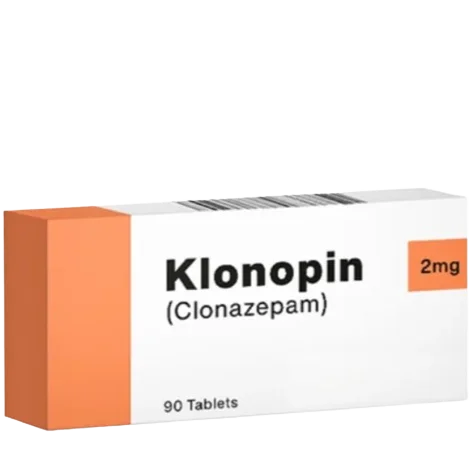
| Medicine Name | Klonopin – Clonazepam |
| Medicine Strength | 1 mg | 2 mg |
| Shipment Delivery | USA 2-3 Days Fast Delivery |
| Price | $1.55 Per Pills |
| Where to Buy? | Visit Pharmacy |
Understanding Clonazepam and Its Role in Anxiety Treatment
Clonazepam belongs to a group of medicines called benzodiazepines. Doctors prescribe it for specific seizure disorders and panic disorder. The medicine affects gamma-aminobutyric acid, commonly called GABA, which helps regulate excessive activity in the nervous system.
By increasing GABA’s calming influence, clonazepam can reduce intense panic, physical tension, trembling, restlessness and overwhelming fear. Some people notice relief relatively quickly, which explains why patients often view it as a powerful anxiety medicine.
However, clonazepam does not offer the best solution for every person who experiences anxiety. Doctors must consider the type of anxiety disorder, symptom severity, medical history, other medicines, alcohol use, substance-use history and expected treatment duration.
The United States Food and Drug Administration approves clonazepam for panic disorder and certain seizure conditions. MedlinePlus also identifies panic attacks and seizure control among its recognised uses. The medicine requires a prescription and carries significant warnings related to misuse, physical dependence and withdrawal.
People often use the word “anxiety” to describe many different experiences. These can include temporary stress, social anxiety, panic disorder, trauma-related distress, obsessive thoughts, health anxiety and generalised anxiety disorder. One medicine cannot treat every condition in the same way.
A clinician should therefore confirm the diagnosis before recommending clonazepam for anxiety. The assessment may include questions about panic attacks, sleep, physical symptoms, avoidance, mood changes, substance use and the effect of anxiety on daily life.
Clonazepam can offer meaningful relief in carefully selected cases. Yet patients and website publishers should present it as a controlled prescription treatment with specific benefits and serious limitations, not as a universal cure.
How Clonazepam Works in the Brain
The human nervous system uses chemical messengers to send signals between brain cells. Some messengers increase activity, while others reduce it. GABA acts as one of the brain’s main inhibitory neurotransmitters.
Clonazepam strengthens GABA-related activity. This action slows excessive nervous-system signalling and can create a calming, anticonvulsant and muscle-relaxing effect. The NHS explains that clonazepam increases the influence of GABA, which can relieve panic symptoms, relax tense muscles and help control seizures.
This mechanism can reduce several anxiety-related symptoms, including:
- Sudden waves of fear
- Trembling or shaking
- Physical agitation
- Muscle tightness
- Racing thoughts
- Fear of losing control
- Difficulty settling after a panic attack
- Anxiety-related restlessness
- A strong sense of physical danger
The same mechanism can also reduce alertness. Some patients experience daytime sleepiness, slowed reactions, poor coordination, memory difficulties or trouble concentrating.
Clonazepam generally remains active longer than several shorter-acting benzodiazepines. Its longer action may provide steadier symptom control, but it may also produce continuing drowsiness.
The NHS states that clonazepam may begin working in around one hour when a doctor prescribes it for panic disorder. Individual responses still vary according to health, age, other medicines and the prescribed amount.
A fast response often makes clonazepam feel more effective than treatments that take several weeks to work. However, speed does not tell the complete story.
Clonazepam can reduce the immediate alarm response, but it does not automatically change the thoughts, behaviours or environmental pressures that maintain anxiety. It cannot teach a person how to challenge catastrophic thinking, manage avoidance or process a traumatic experience.
Patients often achieve better long-term results when they combine symptom management with therapy, lifestyle improvements and treatment of underlying medical or psychological conditions.
Is Clonazepam the Most Useful Medicine for Anxiety?
No medical authority can accurately describe clonazepam as the most useful anxiety medicine for everyone. Different anxiety disorders respond to different treatments, and every treatment carries a unique balance of benefits and risks.
Clonazepam may help someone who experiences severe panic attacks and needs rapid symptom relief. Another person may achieve better results with cognitive behavioural therapy, an SSRI, an SNRI, improved sleep or treatment for an underlying health condition.
Major clinical guidelines advise doctors to limit routine benzodiazepine use for anxiety disorders. NICE states that healthcare professionals should not normally offer a benzodiazepine for generalised anxiety disorder except as a short-term measure during a crisis. NICE also highlights tolerance and dependence as major reasons for avoiding routine use.
A responsible comparison should consider several factors:
- How quickly the treatment works
- How long the person needs treatment
- Whether the treatment improves daily functioning
- Whether the person can tolerate the side effects
- Whether dependence may develop
- Whether withdrawal may complicate treatment
- Whether the medicine interacts with alcohol or other drugs
- Whether therapy can address the underlying anxiety pattern
Clonazepam may score highly for rapid calming effects. It scores less favourably when doctors evaluate dependence, withdrawal, sedation and long-term suitability.
That difference matters. People often judge anxiety medication by how quickly it removes distress. Doctors must also consider how the treatment affects memory, coordination, work performance, driving, emotional processing and future discontinuation.
The most useful treatment does not always produce the fastest sensation of relief. The most useful treatment delivers meaningful improvement while keeping risks within an acceptable range.
Patients should avoid online articles that call clonazepam harmless, non-addictive or suitable for daily self-treatment. These claims conflict with established safety warnings.
Clonazepam for Panic Disorder and Panic Attacks
Panic disorder involves repeated panic attacks and continuing fear about future episodes. A panic attack can cause intense physical and emotional symptoms, even when no immediate danger exists.
Common symptoms include:
- A racing heartbeat
- Chest discomfort
- Shortness of breath
- Dizziness
- Sweating
- Shaking
- Nausea
- Numbness
- Fear of fainting
- Fear of dying
- A feeling of losing control
- A sense of unreality
Doctors sometimes prescribe clonazepam for panic disorder because it can calm nervous-system activity relatively quickly. MedlinePlus lists panic attacks among clonazepam’s recognised treatment uses.
A clinician may consider clonazepam when panic attacks cause severe disability, frequent emergency visits, inability to travel or major disruption to work and family life. The clinician should still evaluate medical causes that can mimic panic symptoms.
Heart rhythm problems, thyroid disorders, asthma, low blood sugar, anaemia, stimulant use and medication reactions can create symptoms that resemble panic. A proper medical assessment can prevent a missed diagnosis.
Clonazepam may reduce the intensity or frequency of panic attacks, but patients should understand its intended role. The prescriber may use it for a limited period, during a severe crisis or alongside a longer-term treatment plan.
Patients may develop psychological reliance when they believe they cannot leave home, attend work or enter a feared situation without taking clonazepam. This belief can reinforce avoidance.
Cognitive behavioural therapy can help patients reinterpret physical sensations and reduce fear of future attacks. A therapist may also use carefully structured exposure exercises to help the person regain confidence.
Clonazepam can lower the immediate intensity of panic. Therapy can help change the cycle that repeatedly triggers and maintains it.
Clonazepam for Generalised Anxiety Disorder
Generalised anxiety disorder causes persistent and difficult-to-control worry about several parts of life. A person may worry excessively about health, employment, finances, relationships or ordinary responsibilities.
The worry often continues even when the person recognises that it feels excessive. Other symptoms may include irritability, fatigue, poor concentration, restlessness, sleep disruption and muscle tension.
Clonazepam can reduce physical tension and nervous-system overactivity. However, major guidelines do not recommend routine benzodiazepine treatment for generalised anxiety disorder.
NICE advises clinicians to reserve benzodiazepines for short-term crisis situations rather than regular GAD management. It recommends psychological treatments and, where appropriate, medicines with a more suitable long-term benefit-risk profile.
This recommendation does not mean clonazepam can never help someone with severe generalised anxiety. A doctor may consider a brief course during an acute crisis after evaluating the patient’s circumstances.
The doctor should define clear treatment goals. These goals may include restoring sleep, reducing overwhelming agitation or helping the patient function while another treatment begins.
A treatment plan should also address the causes and maintaining factors behind continuing worry. These may include:
- Chronic sleep deprivation
- Excessive caffeine
- Workplace pressure
- Relationship conflict
- Financial stress
- Health anxiety
- Avoidance behaviours
- Depression
- Alcohol use
- Unmanaged physical illness
Clonazepam can suppress symptoms without resolving these problems. Patients may therefore experience continuing anxiety when they stop taking it.
A broader strategy can include CBT, stress-management skills, improved sleep, physical activity, reduced stimulant use and appropriate non-benzodiazepine medication.
Main Benefits of Clonazepam for Anxiety
Clonazepam offers several potential benefits when a doctor chooses it carefully and monitors treatment.
Rapid calming effect
Clonazepam can begin reducing panic-related symptoms faster than many long-term anxiety medicines. This quality may help during severe episodes that disrupt sleep, eating, travel or basic daily functioning.
Reduction in intense panic symptoms
The medicine can reduce trembling, overwhelming fear, physical agitation and the sense of losing control that often accompanies panic attacks.
Longer-lasting action
Clonazepam generally acts longer than several short-acting benzodiazepines. Some patients may experience steadier symptom control with fewer abrupt changes.
Relief from severe physical tension
Anxiety often causes tight muscles, shaking, rapid breathing and persistent physical alertness. Clonazepam’s calming and muscle-relaxing actions may reduce these symptoms.
Potential short-term support
A doctor may use clonazepam temporarily while therapy or another medication begins to work. This approach can help selected patients manage severe symptoms during the early stage of treatment.
Treatment of panic disorder
Regulators recognise panic disorder as a medical use for clonazepam. That distinction separates evidence-based prescribing from casual self-treatment for ordinary stress.
These benefits can make clonazepam valuable, but patients should not evaluate them in isolation.
A treatment may reduce panic while also causing drowsiness, cognitive slowing or dependence. The doctor and patient must compare the total benefit with the total burden.
Common Clonazepam Side Effects
Clonazepam slows central nervous-system activity. This action can relieve panic, but it can also impair alertness and coordination.
Common side effects may include:
- Daytime sleepiness
- Dizziness
- Fatigue
- Slower reactions
- Poor balance
- Muscle weakness
- Reduced concentration
- Memory problems
- Blurred vision
- Slurred speech
- Confusion
- Unsteadiness
The NHS identifies daytime drowsiness as the most common clonazepam side effect and advises patients not to drive or cycle when they feel sleepy.
Side effects may feel stronger when a patient first starts treatment, changes the prescribed amount or combines clonazepam with another sedating substance.
Older adults may face a greater risk of confusion, falls and injuries. People who operate machinery, drive professionally or work at heights should discuss these responsibilities with their prescriber.
Some patients experience emotional or behavioural changes instead of simple drowsiness. These changes can include agitation, irritability, unusual excitement, aggression or worsening depression.
Patients should contact a healthcare professional when side effects interfere with normal activities. They should not change the prescription independently.
A person may assume that taking less will solve the problem, but sudden reductions can trigger withdrawal after physical dependence develops. Taking more can increase sedation and overdose risk.
A doctor or pharmacist can help determine whether clonazepam causes the symptoms or whether another medical problem requires attention.
Dependence, Tolerance and Addiction
People often use the words dependence, tolerance and addiction as though they mean the same thing. They describe different but related problems.
Physical dependence develops when the body adapts to clonazepam. A sudden reduction can then trigger withdrawal symptoms.
Tolerance develops when the same amount produces a weaker effect over time. A patient may feel tempted to increase the amount, but self-directed increases create serious risks.
Addiction involves compulsive use, impaired control and continuing use despite harm. A person may develop physical dependence without addiction, especially after following a prescription for an extended period.
The FDA requires strong warnings for benzodiazepines because they carry risks of abuse, misuse, addiction, physical dependence and withdrawal. These problems can develop even when patients receive a legitimate prescription.
Several factors can increase risk:
- Long treatment duration
- Increasing the amount without permission
- Combining clonazepam with alcohol
- Combining it with opioids or sleeping medicines
- A history of substance misuse
- Repeatedly using the medicine for ordinary stress
- Buying tablets from unverified sellers
- Taking medication prescribed for another person
- Using clonazepam to avoid every uncomfortable emotion
Dependence does not represent a moral failure. A patient may follow medical advice and still develop physical dependence.
Healthcare professionals should respond with assessment, support and a safe treatment plan. Abrupt discontinuation can create more harm.
Patients should attend regular medication reviews and discuss any loss of effect, cravings, dose escalation or fear of stopping.
Clonazepam Withdrawal Symptoms
Regular clonazepam use can cause physical dependence. When a person stops suddenly or reduces the amount too quickly, the nervous system may react strongly.
Possible withdrawal symptoms include:
- Increased anxiety
- Panic attacks
- Irritability
- Insomnia
- Restlessness
- Trembling
- Sweating
- Headaches
- Nausea
- Muscle pain
- Poor concentration
- Sensitivity to light or sound
- Unusual sensations
- Confusion
- Perceptual disturbances
- Seizures in severe cases
Withdrawal anxiety may feel similar to the original anxiety disorder. A patient may interpret this distress as proof that they can never function without clonazepam.
A doctor can help distinguish withdrawal symptoms from the return of the original condition.
The NHS advises gradual dose reduction when a person has taken clonazepam for longer than a few weeks. It warns patients not to stop without medical guidance.
No single reduction plan suits everyone. A clinician may consider:
- The current prescription
- Total treatment duration
- Previous withdrawal attempts
- Other medicines
- Seizure history
- Alcohol use
- Mental-health symptoms
- The patient’s reaction to each reduction
Patients should not copy a tapering schedule from an anonymous forum. The schedule may move too quickly or fail to account for important health risks.
Seizures, hallucinations, severe confusion, suicidal thoughts or extreme agitation require urgent medical attention.
Alcohol, Opioids and Dangerous Drug Interactions
Clonazepam suppresses central nervous-system activity. Alcohol, opioid painkillers and other sedatives can intensify that effect.
Combining clonazepam with opioids can cause extreme sleepiness, slowed breathing, coma or death. The FDA has issued strong warnings about this interaction.
Patients should tell their doctor about all substances they use, including:
- Prescription pain medicines
- Opioid cough products
- Sleeping tablets
- Other benzodiazepines
- Sedating antihistamines
- Muscle relaxants
- Cannabis
- Alcohol
- Recreational drugs
- Herbal sleep products
- Medicines for nerve pain
People sometimes hide alcohol or drug use because they fear judgement. This decision can prevent a clinician from identifying a dangerous interaction.
A patient should seek emergency help when someone who took clonazepam becomes difficult to wake, breathes slowly, loses consciousness or develops severe confusion.
Do not allow the person to “sleep it off.” Breathing suppression requires immediate medical attention.
Who Should Use Extra Caution With Clonazepam?
Clonazepam does not suit every patient. Doctors should review medical history, mental health, substance use and current medicines before prescribing it.
People may require extra caution when they have:
- Sleep apnoea
- Serious breathing problems
- Chronic lung disease
- Myasthenia gravis
- Liver disease
- Kidney problems
- Balance or coordination disorders
- A history of alcohol dependence
- A history of drug misuse
- Depression
- Suicidal thoughts
- Pregnancy
- Breastfeeding
- Advanced age
- A history of falls
A patient should also mention any previous unusual reaction to benzodiazepines.
Pregnant patients should not start or stop clonazepam without professional advice. Abrupt withdrawal can create serious risks, especially when a doctor prescribed the medicine for seizure control.
A clinician must compare the potential benefits with the risks for the parent and baby.
Older adults may experience stronger sedation, slower reactions and greater fall risk. Doctors may choose another treatment or apply closer monitoring.
Can You Legally Buy Clonazepam Online?
A patient can obtain clonazepam through a legitimate online pharmacy only when the process follows prescription and pharmacy laws in the relevant country or state.
In the United States, clonazepam appears as a Schedule IV controlled substance. A lawful pharmacy requires a valid prescription from an authorised healthcare practitioner.
Patients should not interpret the phrase buy clonazepam online as an invitation to order it anonymously or without medical assessment.
A legitimate process normally involves:
- A consultation with a licensed healthcare professional
- A clinical assessment
- A valid prescription when the clinician considers the medicine appropriate
- Dispensing through a licensed pharmacy
- Access to a pharmacist for questions
- Secure delivery and proper packaging
The FDA states that a safer online pharmacy requires a doctor’s prescription, provides a physical address and telephone number, employs a licensed pharmacist and holds the required pharmacy licence.
Laws vary across countries and regions. Patients should verify the pharmacy through their national or local regulator.
They should never assume that a professional-looking website operates legally.
How to Identify a Safer Online Pharmacy
A legitimate online pharmacy should make verification easy. It should not hide its physical location, pharmacist information or licensing details.
Look for these positive signs:
- The pharmacy requires a valid prescription.
- A recognised regulator lists the pharmacy as licensed.
- The website shows a verifiable physical address.
- The pharmacy provides a working telephone number.
- A licensed pharmacist answers medicine-related questions.
- The pharmacy uses secure payment and privacy systems.
- The medicine arrives in sealed, labelled packaging.
- The label matches the prescription.
- The pharmacy provides storage and safety instructions.
The FDA’s BeSafeRx programme helps consumers evaluate online pharmacies and locate state-licensed providers in the United States.
A pharmacy licence offers more protection than a logo or badge. Fraudulent websites can copy professional graphics and create fake verification symbols.
Always check the licence through the regulator’s own database rather than clicking a badge on the seller’s website.
Warning Signs of an Unsafe Clonazepam Website
Unsafe sellers often rely on urgency, secrecy, deep discounts and promises of prescription-free access.
Avoid websites that:
- Sell clonazepam without a prescription
- Offer instant approval without a meaningful consultation
- Promise guaranteed prescriptions
- Hide their physical location
- Refuse access to a pharmacist
- Accept only cryptocurrency or unusual payment methods
- Sell unusually large quantities
- Use aggressive discount countdowns
- Ship loose tablets without proper packaging
- Provide no batch number or expiry date
- Use foreign-language packaging without explanation
- Make unrealistic claims about safety
- Describe clonazepam as non-addictive
- Encourage customers to increase the amount
- Promote mixing clonazepam with other medicines
The FDA warns that unsafe online pharmacies may sell products with the wrong ingredient, too much or too little active ingredient, no active ingredient or harmful contaminants.
A low price cannot compensate for an unknown product. Counterfeit tablets may look convincing while containing dangerous substances.
Anyone searching for where to buy clonazepam online should prioritise licensing and prescription verification over speed, convenience or price.
Why Buying Clonazepam Without a Prescription Creates Serious Risks
Buying clonazepam without a prescription removes several safety controls.
A doctor normally evaluates whether the medicine suits the patient’s diagnosis, health conditions and other medicines. A pharmacist checks the prescription, identifies interactions and provides safe-use instructions.
An illegal seller may perform none of these steps.
Prescription-free purchasing can lead to:
- Counterfeit tablets
- Incorrect strength
- Dangerous contamination
- Undisclosed ingredients
- Severe drug interactions
- Excessive sedation
- Physical dependence
- Withdrawal complications
- Accidental overdose
- Delayed diagnosis of another condition
- Legal consequences
- Financial fraud
- Theft of personal information
The FDA has issued warning letters to websites that sold clonazepam and other prescription benzodiazepines unlawfully. The agency emphasises that FDA-approved clonazepam products require a licensed practitioner’s prescription.
A website that ignores prescription law may also ignore manufacturing, storage and privacy standards.
Online Consultations and Clonazepam Prescriptions
Telemedicine can improve access to mental-health care, especially for patients who live far from clinics or face mobility problems.
A legitimate telehealth appointment should involve more than a short questionnaire. The clinician may ask about:
- Current symptoms
- Panic attacks
- Previous diagnoses
- Medical history
- Current medicines
- Alcohol and substance use
- Sleep
- Depression
- Suicidal thoughts
- Previous benzodiazepine use
- Treatment goals
- Therapy history
The clinician may recommend clonazepam, another medication, psychotherapy, further testing or an in-person assessment.
In the United States, DEA telemedicine flexibilities currently continue through December 31, 2026. DEA-registered practitioners may prescribe certain controlled medicines through qualifying telemedicine encounters when they follow federal and state requirements.
These rules do not guarantee a clonazepam prescription. The clinician must still apply medical judgement and comply with all relevant laws.
A reputable platform does not promise a specific controlled medicine before the assessment.
Clonazepam Compared With SSRIs and SNRIs
Doctors commonly use selective serotonin reuptake inhibitors and serotonin-noradrenaline reuptake inhibitors for continuing anxiety treatment.
These medicine groups include options such as sertraline, escitalopram, fluoxetine, venlafaxine and duloxetine. The appropriate choice depends on the diagnosis, medical history, expected benefits and side effects.
Clonazepam usually works faster. SSRIs and SNRIs often require several weeks before patients notice their full effects.
However, clonazepam creates greater concerns about sedation, tolerance, misuse and physical dependence.
SSRIs and SNRIs can also cause side effects. These may include nausea, sleep changes, headaches, temporary nervousness and sexual side effects.
They can produce discontinuation symptoms when patients stop them too quickly, but they do not share clonazepam’s exact pattern of sedative intoxication and benzodiazepine dependence.
Doctors often favour SSRIs or SNRIs for long-term treatment of panic disorder and generalised anxiety, while reserving benzodiazepines for limited or specific situations.
Some clinicians use clonazepam briefly while a longer-term treatment starts working. When they choose this strategy, they should explain the intended duration and review plan.
Clonazepam Compared With Cognitive Behavioural Therapy
Medication and therapy address anxiety in different ways.
Clonazepam reduces nervous-system activity. Cognitive behavioural therapy helps patients understand and change the thoughts and behaviours that maintain anxiety.
CBT may help patients:
- Identify catastrophic predictions
- Challenge unhelpful beliefs
- Reduce avoidance
- Face feared situations gradually
- Understand panic sensations
- Improve problem-solving
- Build coping skills
- Develop a relapse-prevention plan
A patient with panic disorder may interpret a racing heart as evidence of an imminent heart attack. CBT can help the patient test this interpretation and reduce fear of the sensation.
A person with social anxiety may avoid meetings because they expect humiliation. Therapy can help them examine the prediction and gradually enter feared situations.
Clonazepam may reduce anxiety before an event, but it may not change the underlying prediction. Heavy sedation can sometimes interfere with learning during exposure exercises.
Patients do not always need to choose between therapy and medication. Many treatment plans combine both.
Long-Term Clonazepam Use
Long-term clonazepam treatment requires regular review. A prescription should not continue automatically because a doctor started it months or years earlier.
Potential long-term concerns include:
- Physical dependence
- Difficult withdrawal
- Tolerance
- Memory problems
- Reduced concentration
- Daytime sedation
- Falls
- Driving impairment
- Psychological reliance
- Interaction with other medicines
The review should consider whether clonazepam still improves meaningful parts of life.
Useful questions include:
- Have panic attacks decreased?
- Can the patient work or study more effectively?
- Has sleep improved?
- Do side effects interfere with daily life?
- Has the patient increased the amount?
- Does the patient fear missing a dose?
- Does the patient use alcohol or opioids?
- Has the patient tried therapy?
- Could another treatment offer a better long-term balance?
Long-term treatment may remain appropriate for selected patients after specialist assessment. However, the doctor should document the reason and monitor safety.
What to Do When Clonazepam Feels Less Effective
A patient may notice that the usual amount no longer produces the same relief.
Several factors can cause this change:
- Increased stress
- Poor sleep
- Higher caffeine intake
- A new medical condition
- Another medicine
- Missed doses
- Worsening anxiety
- Tolerance
The patient should not take extra tablets without permission.
Instead, the patient should contact the prescriber and explain what has changed. The clinician may review the diagnosis, look for interactions and discuss therapy or other medicines.
Increasing the amount can deepen tolerance and make future withdrawal more difficult.
Treatment should aim to improve functioning rather than remove every feeling of anxiety. Normal anxiety helps people respond to challenges and danger. The goal usually involves reducing excessive, disabling anxiety.
Safer Alternatives and Supporting Treatments
Different anxiety disorders require different treatment plans. Alternatives to clonazepam may include:
Cognitive behavioural therapy
CBT helps patients change patterns of thinking and avoidance that maintain anxiety.
Exposure therapy
Exposure therapy helps patients face feared situations or sensations gradually and safely.
SSRIs or SNRIs
Doctors often choose these medicines for continuing anxiety treatment when the expected benefits outweigh the risks.
Sleep treatment
Poor sleep can intensify anxiety, irritability and physical tension. Treatment may include sleep-hygiene changes or assessment for sleep apnoea.
Reduced caffeine intake
Coffee, energy drinks and other stimulants can worsen trembling, palpitations and restlessness.
Physical activity
Regular exercise can support sleep, mood and stress regulation.
Breathing and relaxation skills
These techniques can help patients control rapid breathing and physical tension during anxiety episodes.
Treatment of underlying medical conditions
Thyroid disorders, heart rhythm problems, asthma, hormonal changes and medication reactions may cause anxiety-like symptoms.
A clinician should select treatment according to the diagnosis rather than simply replacing one sedative with another.
Practical Safety Checklist
Patients who receive clonazepam should follow these principles:
- Take only the prescribed amount.
- Do not share tablets.
- Do not use another person’s prescription.
- Avoid alcohol.
- Disclose opioid use.
- Tell the doctor about sleeping medicines.
- Do not drive while drowsy.
- Store tablets securely.
- Keep medication away from children.
- Attend regular reviews.
- Report mood changes.
- Do not stop suddenly.
- Use only a licensed pharmacy.
- Check the pharmacy’s registration independently.
- Avoid prescription-free sellers.
These actions cannot remove every risk, but they can reduce preventable harm.
Pros and Cons of Clonazepam for Anxiety
Pros
- It can act relatively quickly.
- It can reduce severe panic symptoms.
- It can calm intense physical agitation.
- It may help during a short-term crisis.
- Doctors recognise it as a treatment option for panic disorder.
- Its longer action may provide sustained symptom control.
Cons
- It can cause daytime sleepiness.
- It can impair coordination and concentration.
- It can create physical dependence.
- It can cause withdrawal symptoms.
- Tolerance may reduce its effect.
- Alcohol and opioids can create dangerous interactions.
- It may reinforce psychological reliance.
- It does not address every underlying cause of anxiety.
- Counterfeit online products create additional risks.
The pros may outweigh the cons for one patient and not for another. A licensed clinician should make that assessment with the patient.
Is Clonazepam Worth Taking for Anxiety?
Clonazepam may offer worthwhile benefits when a doctor identifies a clear clinical need.
It may suit situations where:
- Panic attacks cause serious disability.
- The patient needs short-term symptom control.
- Other treatments have not provided enough relief.
- The doctor can monitor treatment closely.
- The patient understands dependence and withdrawal.
- The patient avoids alcohol and dangerous interactions.
- A broader treatment plan addresses long-term recovery.
It may offer a poor choice when:
- The patient wants a quick solution for ordinary stress.
- The patient regularly uses alcohol or opioids.
- The patient has untreated sleep apnoea.
- The patient has a high misuse risk.
- The patient plans indefinite use without review.
- The patient wants to obtain it from an unlicensed website.
The value of treatment depends on overall functioning, not simply on how calm a tablet makes someone feel.
Frequently Asked Questions
Does clonazepam help anxiety?
Clonazepam can reduce severe panic and anxiety symptoms in selected patients. Doctors most clearly associate it with panic disorder rather than routine long-term treatment of every anxiety condition.
How quickly does clonazepam work?
The NHS states that clonazepam may begin working in around one hour for panic disorder, though individual responses vary.
Can I buy clonazepam online without a prescription?
A legitimate pharmacy requires a valid prescription. Websites that sell prescription clonazepam without one create legal and medical risks.
How can I check an online pharmacy?
Check the licence through the appropriate pharmacy regulator. In the United States, the FDA recommends confirming state-board licensing and access to a licensed pharmacist.
Is clonazepam addictive?
Clonazepam can cause physical dependence, and benzodiazepines carry risks of misuse and addiction.
Can I drink alcohol with clonazepam?
Avoid alcohol because the combination can cause profound sedation and breathing problems.
Can I take clonazepam with opioid painkillers?
The combination can cause extreme sleepiness, slowed breathing, coma or death. Only use both when a qualified clinician has assessed the risks and provided explicit instructions.
Can I stop clonazepam suddenly?
Do not stop suddenly after regular use. A doctor may need to reduce the amount gradually to limit withdrawal risks.
Does clonazepam cure anxiety?
Clonazepam can reduce symptoms, but it does not necessarily resolve the thoughts, behaviours, stressors or medical conditions that cause anxiety.
Can clonazepam affect memory?
Some patients experience concentration or memory problems, especially when sedation becomes significant.
Can telehealth doctors prescribe clonazepam?
Rules depend on the location. In the United States, current federal telemedicine flexibilities continue through December 31, 2026, but clinicians must comply with federal and state requirements and apply medical judgement.
What should I do if I receive suspicious tablets?
Do not take them. Contact a licensed pharmacist or healthcare professional and report the seller to the appropriate regulator.
Conclusion
Clonazepam can provide rapid and meaningful relief for selected patients with panic disorder or severe anxiety symptoms. It works by increasing the calming influence of GABA and reducing excessive nervous-system activity.
Its benefits come with substantial responsibilities. Clonazepam can cause sleepiness, impaired coordination, physical dependence, tolerance and withdrawal. Alcohol, opioids and other sedatives can increase the risk of life-threatening breathing problems.
Anyone who plans to buy clonazepam online should use only a properly licensed pharmacy that requires a valid prescription. Patients should avoid websites that promise prescription-free access, instant approval or unusually cheap tablets.
A legitimate online consultation should involve a real clinical assessment rather than a simple payment form. The clinician should evaluate symptoms, health history, other medicines, alcohol use and treatment goals before deciding whether clonazepam offers an appropriate choice.
Clonazepam does not rank as the best anxiety treatment for everyone. Some patients achieve stronger long-term results through CBT, exposure therapy, SSRIs, SNRIs, improved sleep or treatment of an underlying medical condition.
The safest approach combines accurate diagnosis, professional prescribing, pharmacy verification, regular review and a clear long-term treatment plan.